Accumulated Reward Pathways Reshaping Engagement Dynamics in Online Gaming Spaces
Noah Butler · Aug 5, 2026
Accumulated Reward Pathways Reshaping Engagement Dynamics in Online Gaming Spaces
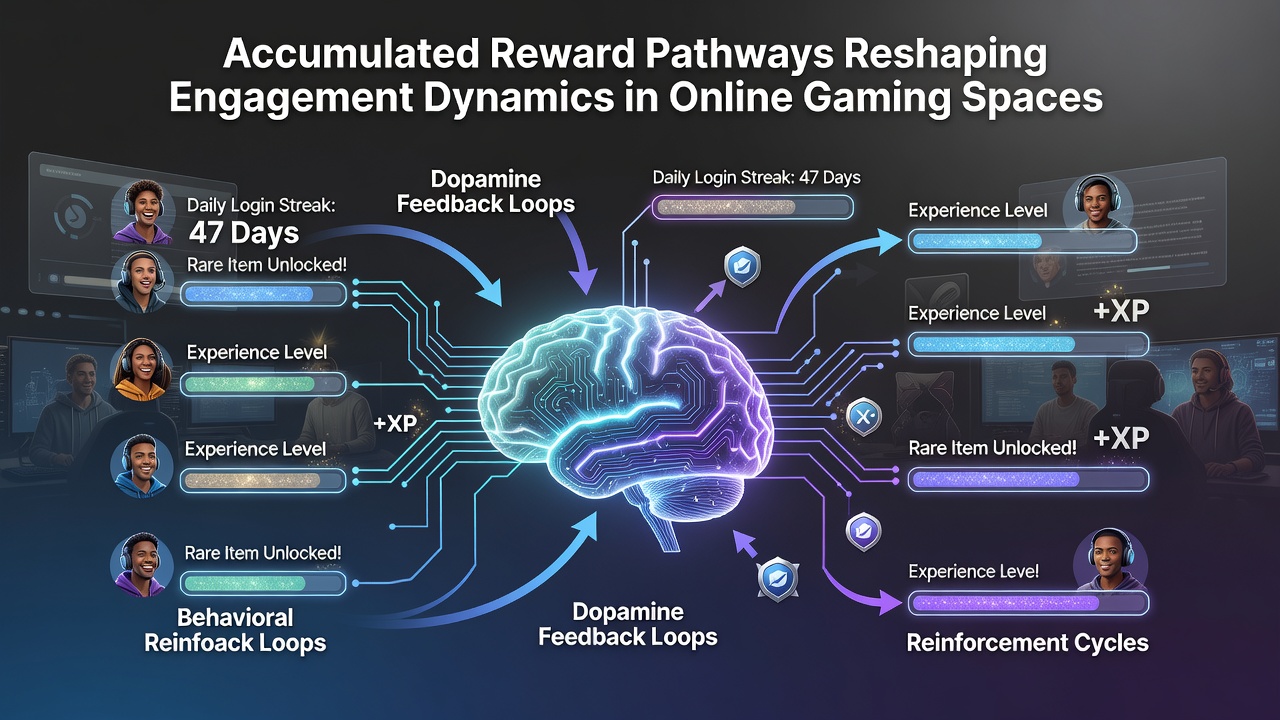
Accumulated reward pathways have become central features in many online gaming platforms where players build progress through repeated actions that unlock tiered benefits over time. These systems track metrics such as login streaks, quest completions, and in-game achievements, then convert those activities into points, levels, or exclusive items that encourage further participation. Data from industry reports shows that platforms incorporating layered reward structures often record higher retention rates compared with those relying on one-time incentives alone.
Core Components of Reward Pathway Design
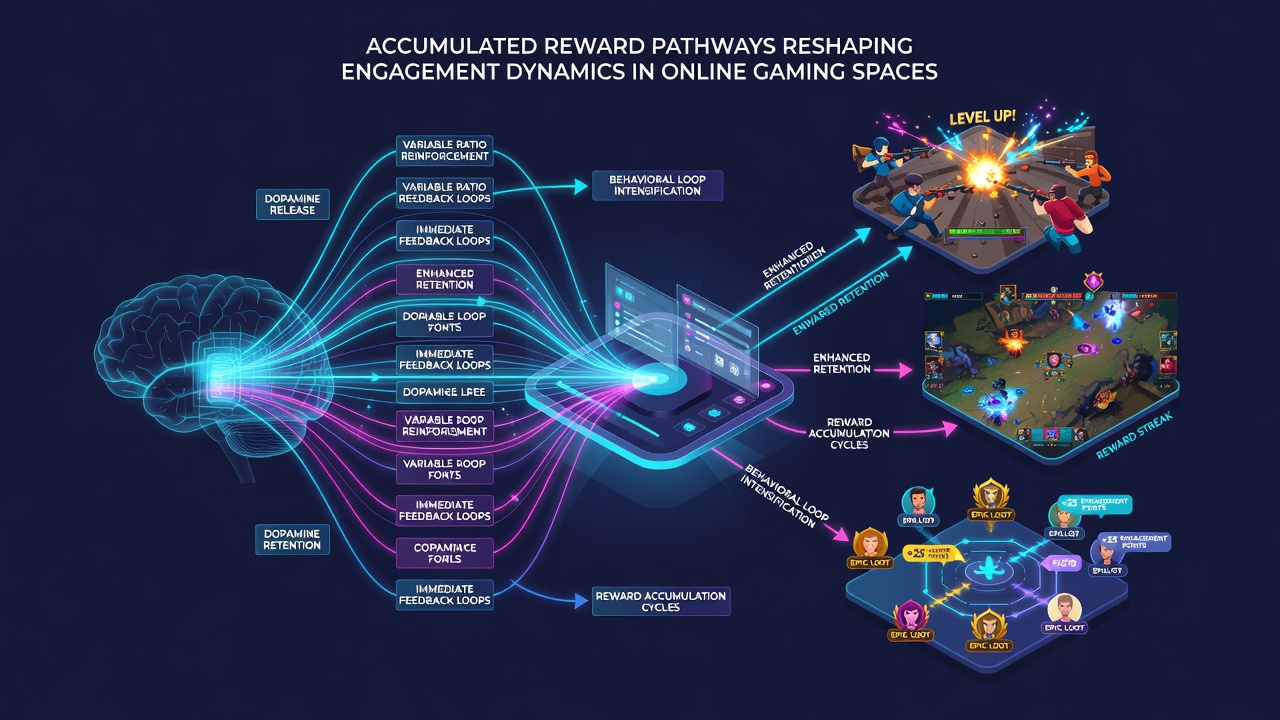
Designers structure these pathways around variable reinforcement schedules that deliver rewards at irregular intervals, a method that mirrors established behavioral principles documented in psychological research. Players advance through tiers by meeting cumulative thresholds, and each new level grants access to perks ranging from cosmetic customizations to competitive advantages in multiplayer modes. Observers note that successful implementations balance immediate small wins with longer-term goals, creating sustained loops that keep users returning across days or weeks.
Engagement Metrics and Platform Data
Figures released in August 2026 from multiple tracking services indicate that games with robust accumulated reward systems experience average session lengths extending 25 to 40 percent beyond those without such features. Mobile titles in particular demonstrate this trend, where daily reward calendars combine with weekly challenges to form continuous engagement chains. Researchers at academic institutions have documented similar patterns in large-scale user datasets, confirming that progression visibility correlates strongly with reduced churn rates.
One study conducted across North American servers revealed that players who reached mid-tier milestones within the first month maintained active accounts at rates nearly double those who stalled early. The pathways function by displaying clear visual feedback, such as progress bars and milestone notifications, which guide behavior without requiring external prompts. And because these mechanics integrate directly into core gameplay loops, they avoid the disruption sometimes associated with separate loyalty programs.
Regional Variations in Implementation
European platforms frequently emphasize community milestones where collective player progress unlocks server-wide events, whereas North American services tend to prioritize individual leaderboards tied to personal accumulation totals. Australian operators have introduced hybrid models that blend both approaches, according to analyses from regional gaming associations. These differences reflect local regulatory environments and player preference data collected through platform analytics.
Cross-platform titles now synchronize reward progress across devices, allowing users to continue accumulation whether they play on console, PC, or mobile. This continuity reduces friction and supports higher overall engagement, as confirmed by telemetry from major publishers. What's interesting is how social features amplify the effect: when pathways include shareable achievements or group challenges, participation spreads through friend networks and guild systems.
Case Examples from Major Titles
Take one popular battle royale franchise that layers seasonal reward tracks on top of daily objectives, resulting in measurable spikes in concurrent users during progression-heavy periods. Another example appears in persistent world MMOs where accumulated reputation points with in-game factions unlock story branches and equipment upgrades that reshape long-term play patterns. Observers have tracked these dynamics through public API data, noting consistent correlations between reward density and time spent per account.
Smaller indie developers have adopted simplified versions of these systems to compete with larger studios, often focusing on transparent progression trees that highlight upcoming rewards. Data shows these approaches help newer titles build initial audiences even when graphics or marketing budgets remain modest. And because reward pathways can be adjusted through live updates, developers respond to engagement dips by recalibrating thresholds or introducing limited-time multipliers.
Future Directions and Research Outlook
Academic teams continue examining how accumulated rewards interact with player psychology across age groups and cultural contexts. Preliminary findings suggest that overly aggressive pacing can lead to fatigue, prompting some platforms to introduce optional rest mechanics that preserve progress without forcing daily logins. Industry organizations such as the International Game Developers Association have begun compiling best-practice guidelines based on aggregated platform data from multiple regions.
Additional insights emerge from reports issued by Australian regulatory bodies monitoring digital entertainment trends, which track how reward density affects spending patterns alongside playtime. These sources provide comparative statistics across genres, helping designers refine systems that maintain interest without crossing into excessive engagement territory. The ball remains in developers' court to iterate on these findings as new titles launch throughout 2026 and beyond.
Conclusion
Accumulated reward pathways continue to influence how players interact with online gaming environments by converting routine actions into visible, escalating benefits. Evidence from platform analytics, academic studies, and regional reports demonstrates measurable shifts in retention and session behavior across diverse markets. As developers refine these mechanics with input from organizations like the IGDA and international research partners, the structures are likely to evolve further while remaining central to engagement strategies in digital gaming spaces.