Charting Cross-Game Loyalty Integrations Reshaping Reward Distribution in Virtual Wheel Ecosystems
Frankie Russell · Jun 5, 2026
Charting Cross-Game Loyalty Integrations Reshaping Reward Distribution in Virtual Wheel Ecosystems
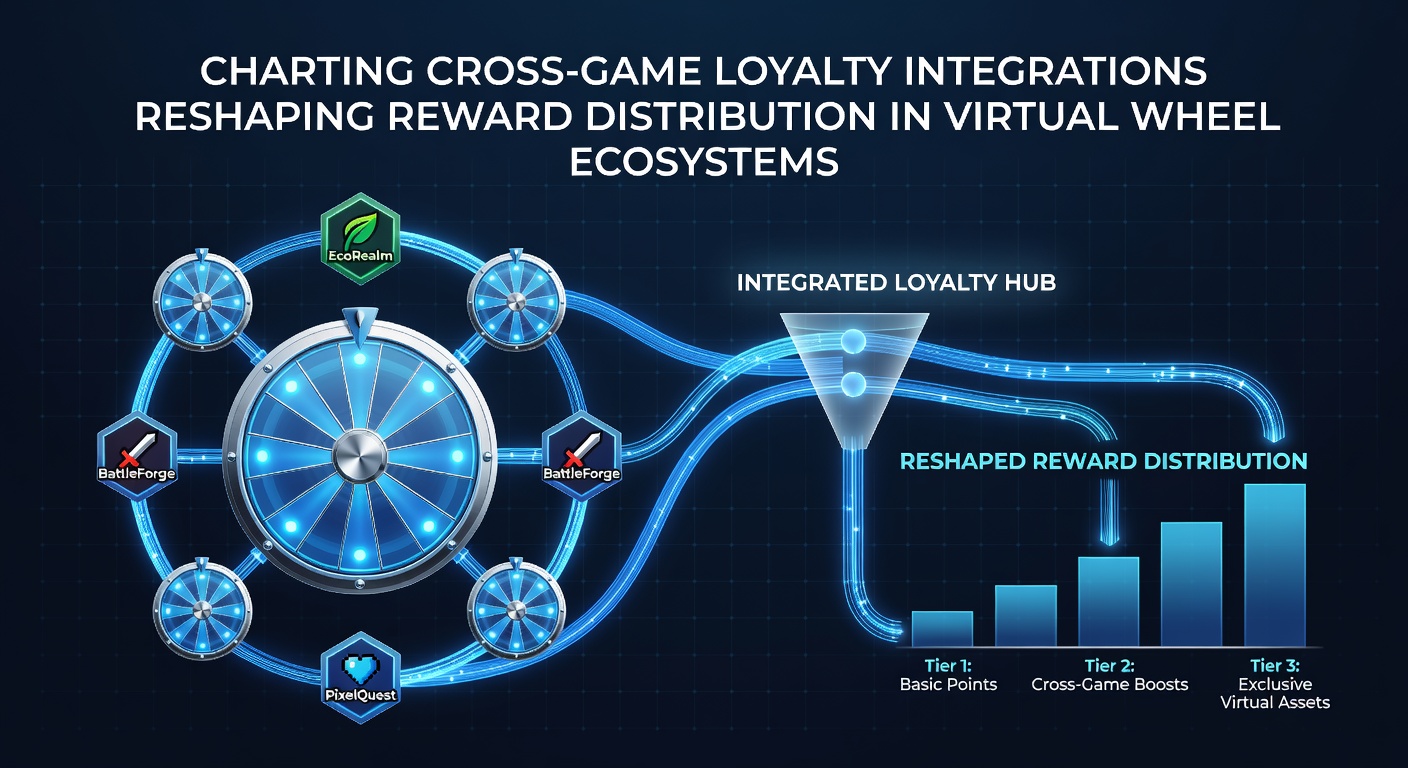
Virtual wheel ecosystems have evolved into interconnected platforms where reward distribution depends on integrated loyalty systems spanning multiple game types, and observers note that these integrations alter how points convert into spins and bonuses by June 2026. Platforms connect progress from slots, table games, and live dealer sessions into unified loyalty profiles, which then feed virtual wheels that determine prize tiers based on accumulated activity across titles rather than isolated play sessions.
Mechanics of Cross-Game Loyalty Tracking
Developers implement APIs that pull player data from various titles into central databases, and this setup allows loyalty points earned in one game to influence wheel outcomes in another, whereas earlier models kept rewards siloed within single titles. Research from the International Gaming Institute indicates that such linkages increase session lengths because participants see their efforts compound across environments, and data shows conversion rates for wheel spins rise when cross-game tracking activates full account histories.
Data Patterns Emerging in 2026
Figures from industry reports compiled through the first half of 2026 reveal that operators deploying these integrations record higher redemption volumes on virtual wheels, since points now aggregate from diverse sources like progressive features in one title and side bets in another. Those who study player behavior observe that reward distribution shifts toward higher-value outcomes for accounts with balanced activity across genres, while single-game focus yields smaller average prizes on the same wheel mechanics.
Take one operator who rolled out unified tracking in early 2025, and analysts found that wheel-triggered bonuses increased by measurable margins once cross-game contributions began counting toward loyalty tiers. This pattern repeats across several markets where regulators outside the UK track similar metrics, and what's interesting is how the distribution algorithms adjust probability weights based on total engagement history rather than recent activity alone.
Impact on Reward Allocation Structures
Virtual wheels recalibrate their payout structures when loyalty integrations pull in multi-title data, so that base probabilities for premium rewards incorporate a broader activity score and this adjustment reduces concentration of wins among players focused on one mechanic. Studies conducted by academic teams at the University of Nevada, Las Vegas, highlight that these systems distribute mid-tier prizes more evenly across user bases, since the input variables now span several game categories instead of relying on volume from a single source.
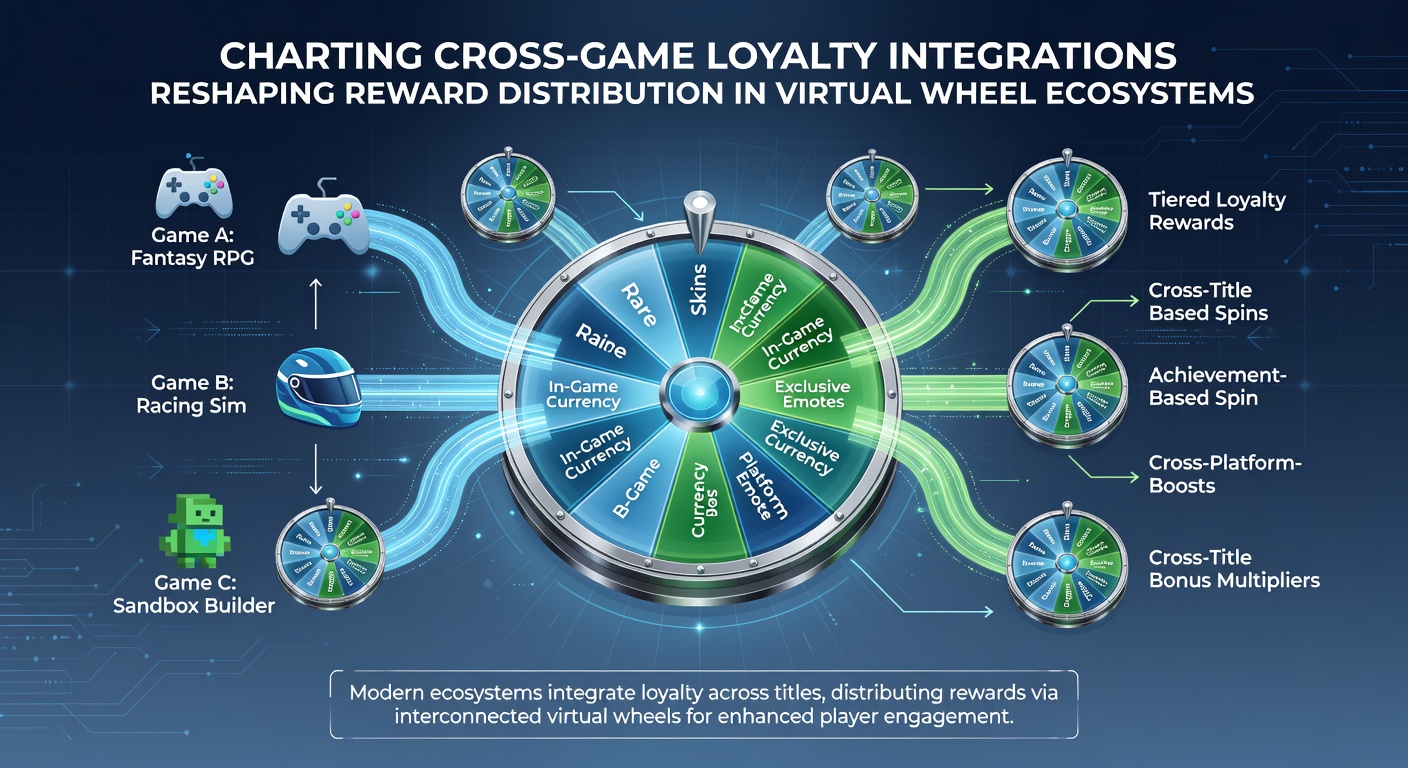
Operators adjust wheel segments dynamically as loyalty profiles update in real time, and this creates feedback loops where consistent participation in multiple titles accelerates access to enhanced spin multipliers. Evidence from aggregated platform telemetry demonstrates that reward frequency for lower-stake players improves under these models, because cross-game points fill gaps that single-title play leaves unaddressed.
Technical Frameworks Supporting Integration
Backend systems use standardized data schemas to merge loyalty ledgers, and this architecture supports seamless point transfers that directly modify wheel parameters such as segment sizes and trigger thresholds. Those who've examined code repositories from major providers note that compliance modules often embed these integrations to meet reporting requirements from bodies like teh Nevada Gaming Control Board, while similar frameworks appear in Australian regulatory filings.
Real-time synchronization ensures that wheel displays reflect the latest cross-game totals, and players encounter updated prize pools immediately after completing actions in connected titles. The reality is that latency issues surface less frequently as cloud-based processors handle the aggregated calculations, allowing operators to maintain consistent distribution logic even during peak traffic periods in June 2026.
Case Examples from Deployed Systems
One platform that linked its slot library with table game environments saw wheel reward redemption rates climb steadily after the integration launched, because participants accumulated qualifying points faster through combined play. There's this case where experts tracked a European operator using similar linkages, and the results showed that distribution of jackpot-level spins spread across a wider player segment once cross-title contributions became active.
Another implementation tied live dealer sessions into the loyalty matrix, and telemetry indicated that virtual wheel outcomes began favoring accounts with verified activity across both digital and streamed formats. Observers note these shifts occur without altering core wheel mathematics, since the changes reside in the input scoring rather than the randomization engines themselves.
Conclusion
Cross-game loyalty integrations continue to influence how virtual wheel ecosystems allocate rewards by incorporating broader activity metrics into each spin calculation. Platforms that adopt these frameworks record measurable changes in prize distribution patterns, and the approach spreads engagement incentives across multiple titles while maintaining the core appeal of wheel-based outcomes. As tracking capabilities advance through 2026, the connections between game types and reward systems are expected to deepen based on current implementation trends reported by industry monitoring groups.