Dice Masters Leverage Custom Tournaments to Amplify Sic Bo Returns in Regulated Markets
Xander Lang · Sep 19, 2026
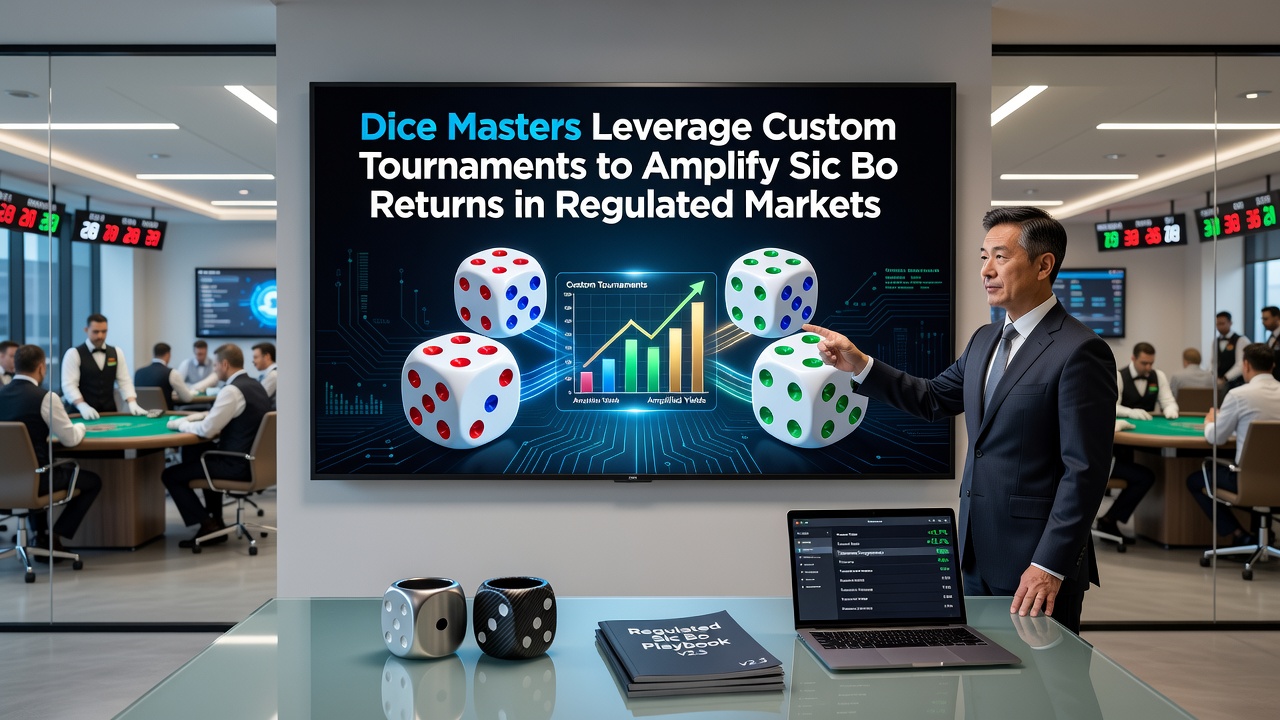
Dice Masters Leverage Custom Tournaments to Amplify Sic Bo Returns in Regulated Markets
Custom tournaments have emerged as a structured approach for participants seeking to optimize Sic Bo outcomes within regulated gaming environments across multiple jurisdictions, and data from industry reports indicates rising adoption rates since early 2025. Operators in these markets design event formats that incorporate specific bet parameters, payout multipliers, and entry criteria while adhering to oversight requirements from bodies such as the Nevada Gaming Control Board and the iGaming Ontario framework.
Market Growth Patterns in Regulated Sic Bo Events
Participation figures reveal steady expansion in licensed Sic Bo offerings, with operators reporting increased engagement through tailored tournament structures that combine standard dice outcomes with progressive side elements. Figures from the American Gaming Association show that dice-based table game revenues climbed 12 percent year-over-year in participating states through the second quarter of 2026, driven in part by events that allow players to accumulate points across multiple rounds rather than single-session play.
These formats typically feature fixed betting limits and predefined win conditions that align with local statutes, and regulators in North American and Australian markets have documented how such events facilitate clearer audit trails for transaction monitoring. Observers note that September 2026 schedules include several multi-week series in both land-based and digital platforms, where custom brackets reward consistent performance across varied dice combinations.
Mechanics Behind Custom Tournament Design
Event organizers construct brackets that segment players into tiers based on entry volume and historical performance metrics, creating opportunities for incremental returns through cumulative scoring systems. Research from academic gaming studies at the University of Nevada, Las Vegas indicates that structured progression models can influence average session duration and total wagered amounts when rules emphasize repeated small-stake decisions over high-variance single bets.
Participants track outcomes across rounds using integrated software that records each dice result against tournament-specific targets, while operators enforce compliance through automated verification tools. This setup connects individual rolls to broader event standings, allowing point accumulation that translates into prize pools funded by entry fees and operator contributions.

Regulatory Alignment and Operational Practices
Licensed platforms integrate these tournaments with existing responsible gaming protocols, including session timers and deposit thresholds that match jurisdiction-specific mandates. Data compiled by the Australian Communications and Media Authority highlights how similar events in that region maintained full reporting compliance during 2025 expansions, with operators submitting detailed logs of bet distributions and payout frequencies.
Custom rulesets often incorporate caps on maximum exposure per round and mandatory cooling periods between stages, elements that regulators review during licensing renewals. Those who manage such events coordinate with third-party testing labs to certify random number generators and payout algorithms before public launch, ensuring every dice outcome meets certified standards.
Player Strategies and Return Optimization
Experienced participants approach these tournaments by mapping probability distributions for common dice totals and adjusting stake sizes according to bracket position rather than isolated rounds. Case examples from regulated venues demonstrate how players who diversify across low, medium, and high-sum bets can sustain longer tournament runs when point systems reward balance over single high payouts.
Software tools provided by operators display real-time standings and remaining rounds, enabling adjustments that align with overall event goals. Industry reports note that September 2026 calendars feature events with hybrid structures, blending live dealer streams and digital interfaces to broaden access while preserving regulatory oversight on all transactions.
Conclusion
Custom tournaments continue to shape Sic Bo participation in regulated markets by offering defined pathways for point accumulation and prize distribution that operate within established legal parameters. Available data from multiple oversight bodies and research institutions underscores consistent growth in structured events, supported by compliance mechanisms and participant tools that track outcomes across extended formats. Operators maintain these offerings through ongoing coordination with regulators and technical verification processes, while players engage via strategies tailored to cumulative scoring models.