European Mobile Networks Leverage Layered Loyalty Programs for Steady Small-Stake Slot Results
Zoe Schmid · Jul 24, 2026
European Mobile Networks Leverage Layered Loyalty Programs for Steady Small-Stake Slot Results
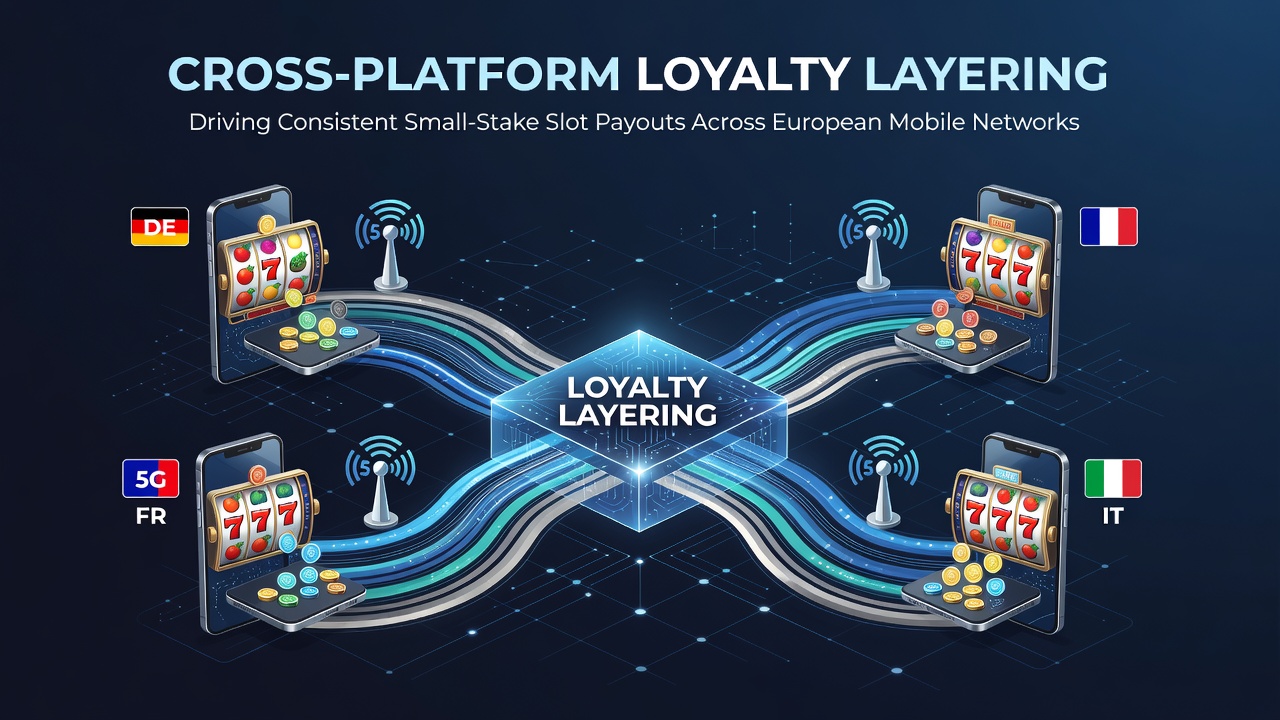
Data from mid-2026 shows operators across several European markets integrating loyalty frameworks that function across multiple mobile networks, and these systems track player activity on low-stake slots in real time. Players accumulate points through repeated small bets, then redeem layered rewards that adjust payout frequencies without altering core game mechanics.
Mechanics of Cross-Network Loyalty Integration
European operators connect loyalty databases through shared APIs that link accounts on different mobile carriers, allowing points earned on one network to carry over to sessions on another. This setup creates continuous reward tiers where even modest wagers contribute to bonus triggers such as free spins or cashback credits. Reports from the European Gaming and Betting Association indicate that adoption of these layered systems rose sharply between 2024 and 2026, particularly among operators serving markets in Germany, Spain, and the Netherlands.
Small-stake play benefits because reward thresholds reset daily or weekly based on network-wide data rather than single-session totals. A player placing €0.20 spins on a classic fruit slot can reach a mid-tier reward level within a few dozen spins when activity from prior sessions on another carrier counts toward the same account. Technical documentation released by several platform providers describes how these layers operate independently of random number generators, preserving regulatory compliance while smoothing short-term variance.
Regional Patterns Observed in 2026
Figures released in July 2026 by research groups tracking mobile gambling activity reveal higher session lengths on low-stake slots in countries where cross-platform loyalty operates at scale. In markets with widespread 5G coverage, the average number of spins per session increased by measurable margins once loyalty layers became standard. Observers note that these patterns appear most clearly in titles with medium volatility, where base payouts remain modest but supplementary rewards arrive at predictable intervals.
One study compiled by academic researchers at a Dutch university examined anonymized transaction logs and found that layered loyalty reduced the frequency of very short sessions ending without any return. The analysis covered data from early 2025 through spring 2026 and attributed the shift to reward mechanics that activate after cumulative low-stake activity across networks rather than isolated play periods.
Technical Implementation Across Carriers
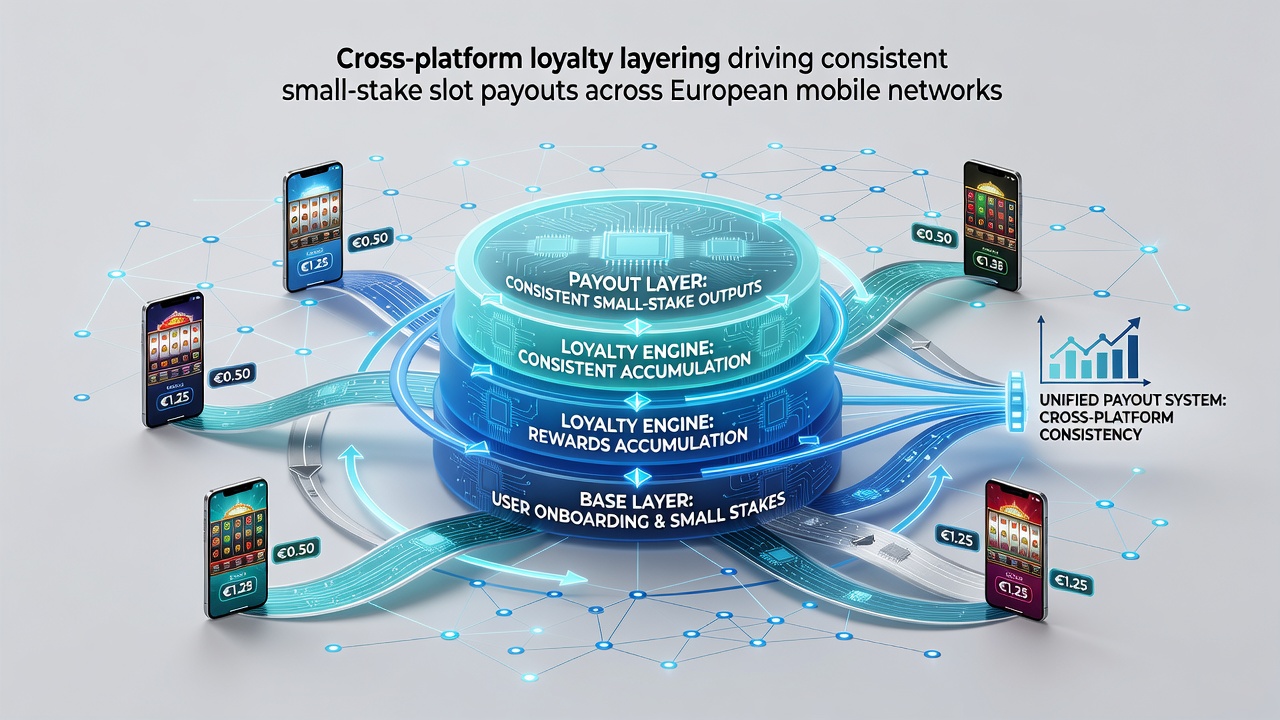
Network-level integration relies on secure token exchanges that verify player identity without exposing full account details. Operators embed loyalty engines inside existing mobile apps, so points update in the background while the player switches between Wi-Fi and cellular connections. This architecture supports consistent tracking even when users move between countries that share roaming agreements within the EU.
Platform providers have documented cases where reward layers trigger small bonus features, such as extra multipliers on the next spin, after a set number of low-stake bets. These features stack with standard game bonuses, creating the appearance of steadier returns without changing the underlying probability structure. Regulatory bodies in Malta and Sweden have reviewed such implementations and confirmed they fall within existing technical standards for remote gaming systems.
Player Behavior and Session Data
Telemetry collected by several operators shows that players who engage with layered loyalty programs maintain longer sequences of small-stake bets compared with those using single-network rewards. Sessions often continue until a layered reward activates, at which point many users either cash out modest gains or reinvest the credit into additional low-stake rounds. Industry reports compiled by independent analytics firms note this behavior pattern holds across different age groups and device types.
Take the example of one operator that introduced cross-network point pooling in late 2025. Within six months, the proportion of sessions under €5 total stake that ended with at least one reward redemption rose noticeably. The operator attributed the change to the cumulative nature of the loyalty layer, which treats activity on multiple carriers as a single continuous record.
Regulatory Context and Compliance Measures
European regulators require that loyalty mechanics remain transparent and do not alter game fairness. Documentation submitted to oversight bodies must demonstrate that layered rewards operate separately from the random number generator and that payout percentages stay within licensed ranges. As of July 2026, multiple operators have published compliance summaries confirming that their cross-platform systems underwent third-party audits before wider rollout.
Links to public summaries appear on operator sites and reference testing standards from organizations such as eCOGRA and iTech Labs. These audits focus on ensuring that point accumulation and redemption do not create unintended advantages or disadvantages for any player segment.
Conclusion
Cross-platform loyalty layering has become a standard feature in many European mobile slot environments by mid-2026. The systems connect activity across networks to deliver reward triggers based on cumulative small-stake play, producing more consistent redemption events without modifying core game probabilities. Data collected through 2025 and into 2026 illustrates measurable shifts in session length and reward frequency, while regulatory reviews confirm ongoing compliance with existing technical requirements. Operators continue to refine these frameworks as mobile infrastructure expands and player expectations around reward continuity evolve.