How Sequential Algorithms in Multiplayer Slots Activate Layered Bonus Features
Zoe Schmid · Aug 24, 2026
How Sequential Algorithms in Multiplayer Slots Activate Layered Bonus Features
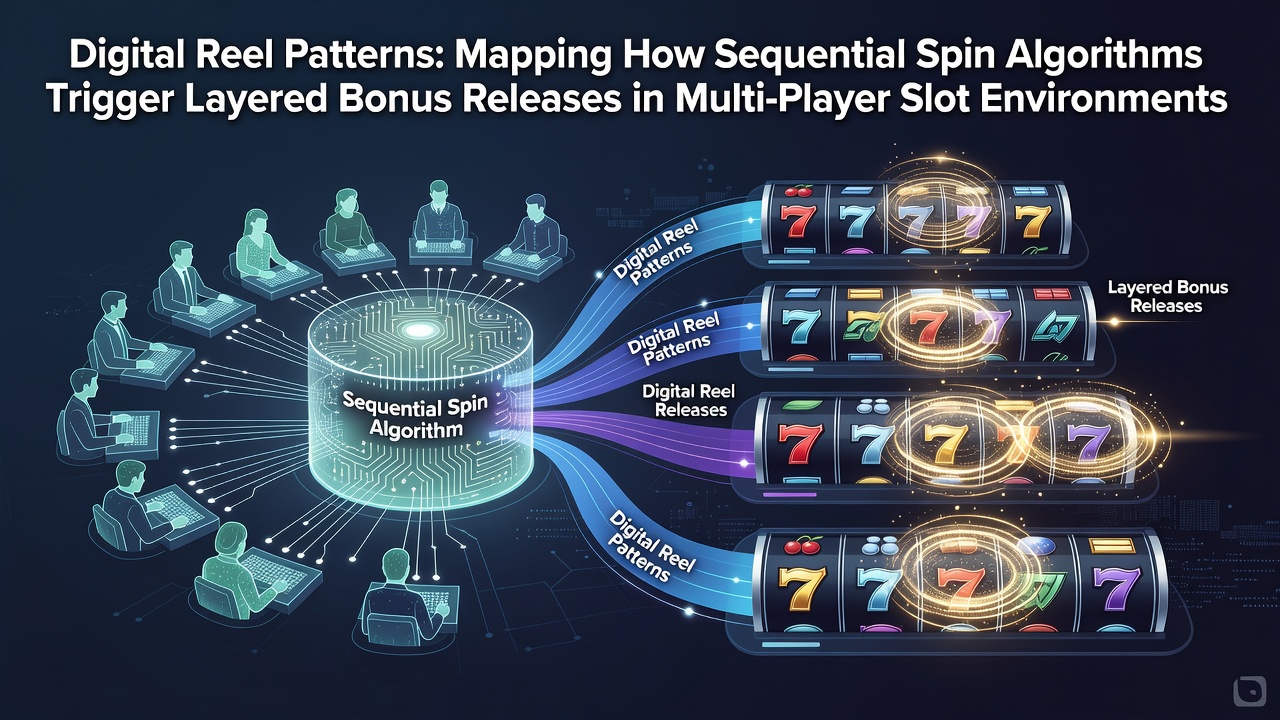
Sequential spin algorithms in multiplayer slot environments operate through pseudorandom number generators that determine reel outcomes across connected player sessions, and these systems map symbol sequences to activate bonus layers when predefined thresholds appear in the data stream. Researchers have documented how game developers structure these algorithms to process spins in ordered batches, which allows for coordinated releases such as shared free spin rounds or progressive multipliers that engage multiple participants simultaneously.
Core Mechanics Behind Sequential Processing
Developers design slot software with reel mapping tables that assign probabilities to each symbol position, and sequential processing occurs when the algorithm evaluates consecutive spins against stored pattern libraries before releasing layered bonuses like cascading reels or expanding wild features. Data from industry reports shows these evaluations happen in milliseconds, while the multiplayer component synchronizes outcomes across terminals through centralized servers that track collective progress toward bonus states.
One study from the University of Nevada Reno examined how such algorithms maintain fairness by resetting seed values at regular intervals, and this approach prevents predictable sequences even as bonus layers stack during extended play sessions. Observers note that in August 2026, several platforms reported increased adoption of these synchronized models, with servers handling thousands of concurrent spins while distributing bonus triggers based on aggregated reel data.
Multiplayer Synchronization and Bonus Layering
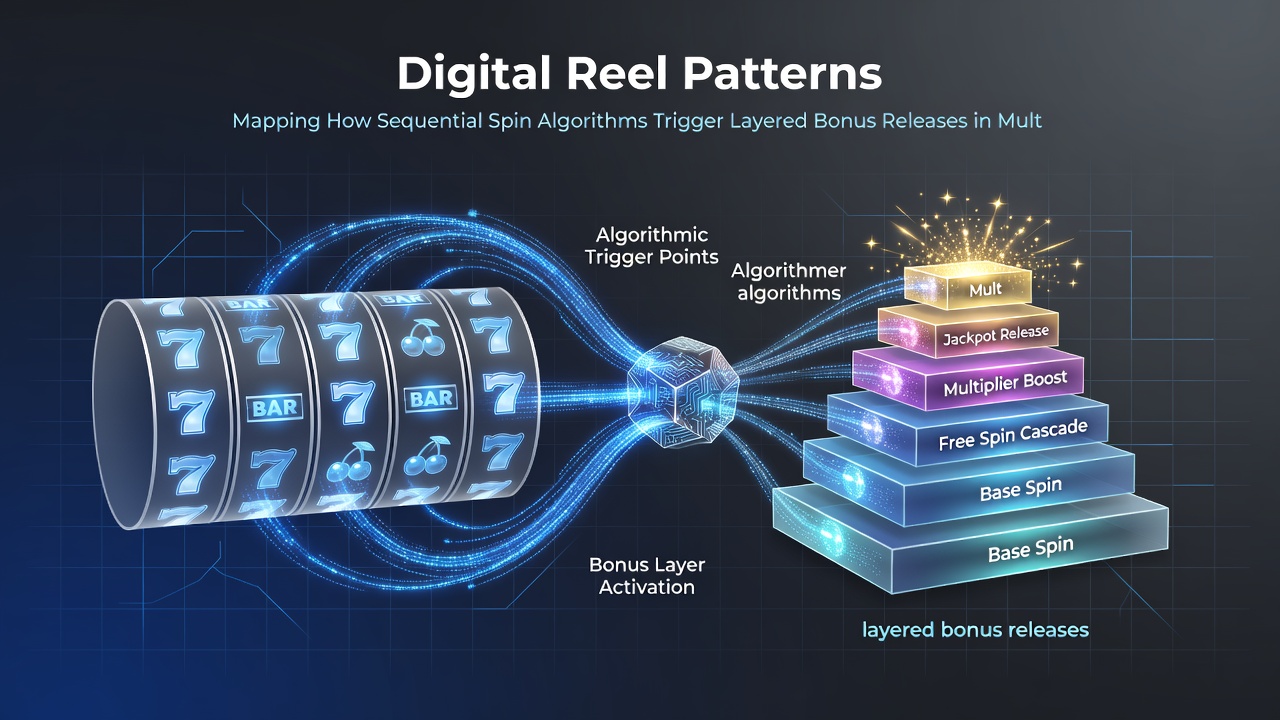
Multiplayer slot platforms connect individual reels to a shared database that logs spin sequences from all participants, and the algorithm triggers layered bonuses once cumulative patterns reach activation points such as matched symbol clusters across different player reels. This process involves multiple stages where initial spins build toward secondary features like bonus wheels or jackpot pools, and the system releases them in sequence to maintain engagement across the network.
According to findings published by the Australian Gambling Research Centre, synchronization protocols ensure each player's contribution feeds into the overall sequence without altering individual randomness, while bonus layers activate only after the algorithm confirms the required number of qualifying spins. Those who analyze these systems find that examples include games where five consecutive spins showing scatter symbols across the player base unlock a communal round, and the layered structure adds escalating rewards based on participation volume.
Algorithm Mapping Techniques in Practice
Mapping techniques rely on decision trees that branch from basic spin results to complex bonus conditions, and developers embed these trees within the software to evaluate sequential data points before any release occurs. The reality is that each layer corresponds to specific reel combinations, such as three-of-a-kind triggering an initial bonus while six consecutive matches across the group unlocks an enhanced version, and this structure keeps the process deterministic yet unpredictable due to the underlying RNG.
Evidence from the Nevada Gaming Control Board indicates that certified algorithms undergo testing for sequence integrity, which confirms that bonus triggers remain independent of prior outcomes even in multiplayer settings. But here's the thing: platforms update these mappings periodically to introduce new layers, and data shows adjustments in August 2026 focused on balancing release frequencies across different player counts.
Regulatory Oversight and Technical Standards
Regulatory bodies in multiple regions require documentation of all sequential algorithms and bonus mapping logic prior to deployment, and this ensures transparency in how spin data leads to layered releases. Industry organizations such as the European Gaming and Betting Association have compiled guidelines that address synchronization methods, while academic papers from research institutions detail the mathematical models behind pattern recognition in these environments.
Those who've studied the field observe that external audits verify the algorithms do not favor certain sequences, and this applies equally to multiplayer configurations where collective bonus triggers depend on aggregated statistics. What's interesting is how these standards have evolved, with reports from Canadian regulators highlighting increased scrutiny on server-side mapping during peak usage periods.
Conclusion
Sequential spin algorithms continue to shape bonus releases in multiplayer slot environments through structured mapping that connects individual outcomes to shared layers, and ongoing developments in August 2026 reflect refinements in synchronization and regulatory compliance. Data from diverse sources confirms these systems rely on tested RNG frameworks to deliver coordinated features without compromising randomness, while technical standards maintain consistent operation across networks.