Interconnected Reward Networks Reshaping Portable Gaming Economies
Noah Butler · Jun 24, 2026
Interconnected Reward Networks Reshaping Portable Gaming Economies
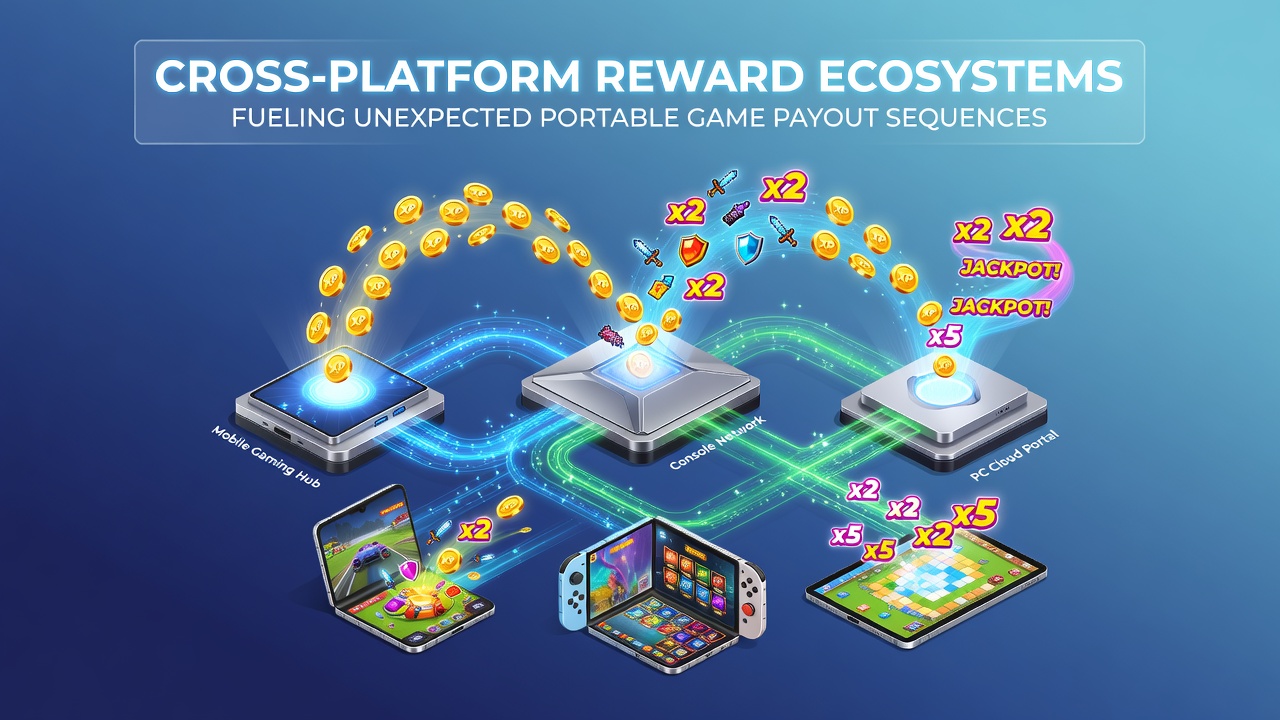
Cross-platform reward ecosystems have expanded rapidly in portable gaming since developers began linking accounts across mobile, console, and PC environments, and data from industry reports shows these connections now support millions of active user profiles worldwide. Players accumulate points, items, and currencies that transfer between devices, which creates sequences where rewards appear in unexpected patterns during sessions on smartphones or tablets. According to figures released by the Entertainment Software Association, the global games market reached 211 billion dollars in 2025 with mobile segments accounting for over half of that total.
Mechanics Behind Cross-Platform Integration
Developers implement unified account systems through cloud-based servers that track progress in real time, and this setup allows a player who earns a bonus on one platform to access the same assets immediately on a mobile device without additional steps. Research from Newzoo indicates that 68 percent of gamers in 2025 used multiple devices for the same titles, a shift driven by seamless login features rather than isolated app stores. Those who've studied these systems note that reward algorithms adjust based on cross-device activity logs, which can trigger bonus sequences when a user switches platforms mid-session.
Game studios such as those behind popular battle royale and role-playing titles have adopted these networks to retain users across hardware changes, while data from the Interactive Software Federation of Europe reveals similar adoption rates in European markets during the first half of 2026. The process relies on encrypted identifiers that prevent duplication yet enable fluid transfers, and this infrastructure supports events where portable payouts occur in rapid succession after a single cross-platform action.
Patterns Observed in Mobile Payout Sequences
Portable game payout sequences emerge when accumulated rewards convert into in-game currency or items at rates influenced by platform transitions, and analysts tracking user data have documented clusters of high-value drops following account syncs. For instance, one case examined by researchers at the University of Southern California highlighted how players in action games received layered bonuses after completing objectives on both mobile and desktop versions within a 24-hour window. These sequences often align with seasonal events that the ecosystem recognizes across devices, producing outputs that appear unpredictable to individual users yet follow programmed probability tables.
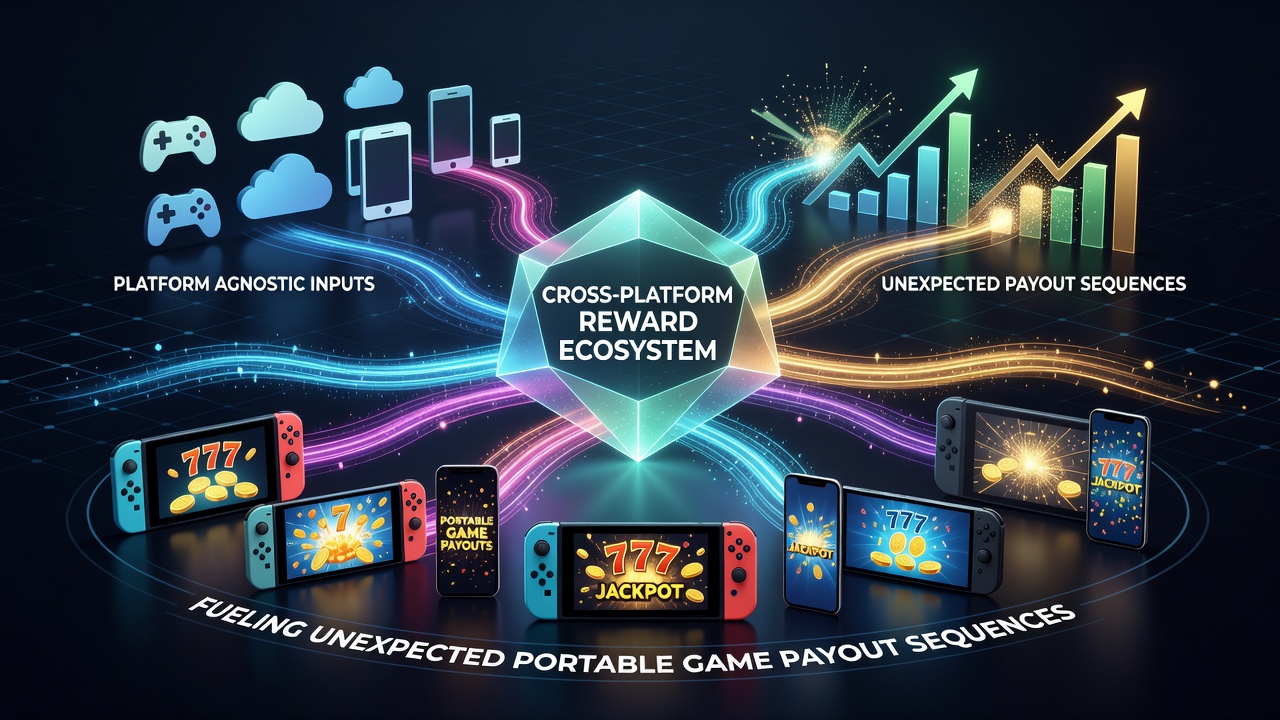
As of June 2026, telemetry from major platforms shows an uptick in mobile sessions that activate after console logins, with payout frequencies rising by measurable margins in titles that emphasize shared progress. Observers note that the underlying code prioritizes engagement metrics gathered from all linked devices, which can amplify reward outputs during peak usage periods without manual intervention. Such dynamics differ from single-platform models because the ecosystem aggregates activity data before calculating final distributions.
Industry Data and Regional Variations
Reports compiled by the Australian Interactive Games Association document steady growth in cross-device reward usage across Oceania markets, with mobile payouts representing a growing share of total in-game transactions through mid-2026. Canadian government statistics on digital entertainment further indicate that integrated ecosystems reduce churn rates among portable gamers by connecting reward pools that span borders. These variations appear in how different regions structure tax and data rules around account-linked economies, yet the core mechanics remain consistent across implementations.
Take one developer who integrated rewards for a strategy franchise and observed that users who alternated between phone and tablet sessions triggered more frequent item sequences than those confined to one device. The pattern holds in aggregate data sets released by academic groups studying digital economies, where correlation coefficients between platform switches and payout events register above baseline thresholds.
Future Trajectories for Reward Ecosystems
Engineers continue refining algorithms that predict and distribute portable payouts based on cross-platform histories, and this refinement process draws from anonymized datasets shared among industry partners. Evidence from ongoing projects at research institutions suggests further integration with emerging hardware like foldable screens could extend sequence complexity without altering existing account frameworks. Those monitoring adoption trends expect continued expansion as more studios standardize their backend systems to accommodate multi-device play.
Conclusion
Cross-platform reward ecosystems have established measurable influences on portable game payout sequences through unified tracking and adaptive distribution methods, with supporting data drawn from multiple regional sources confirming their scale and consistency into 2026. The structures operate via technical linkages that aggregate activity across environments, producing outcomes documented in industry reports and academic analyses rather than isolated incidents. As these networks mature, the patterns they generate remain tied to programmed rules that process inputs from all connected platforms simultaneously.