Mapping Loyalty Tier Transitions in Cross-Platform Casino Networks and Their Influence on Persistent Live Dealer Results
Avery Schwarz · May 22, 2026
Mapping Loyalty Tier Transitions in Cross-Platform Casino Networks and Their Influence on Persistent Live Dealer Results
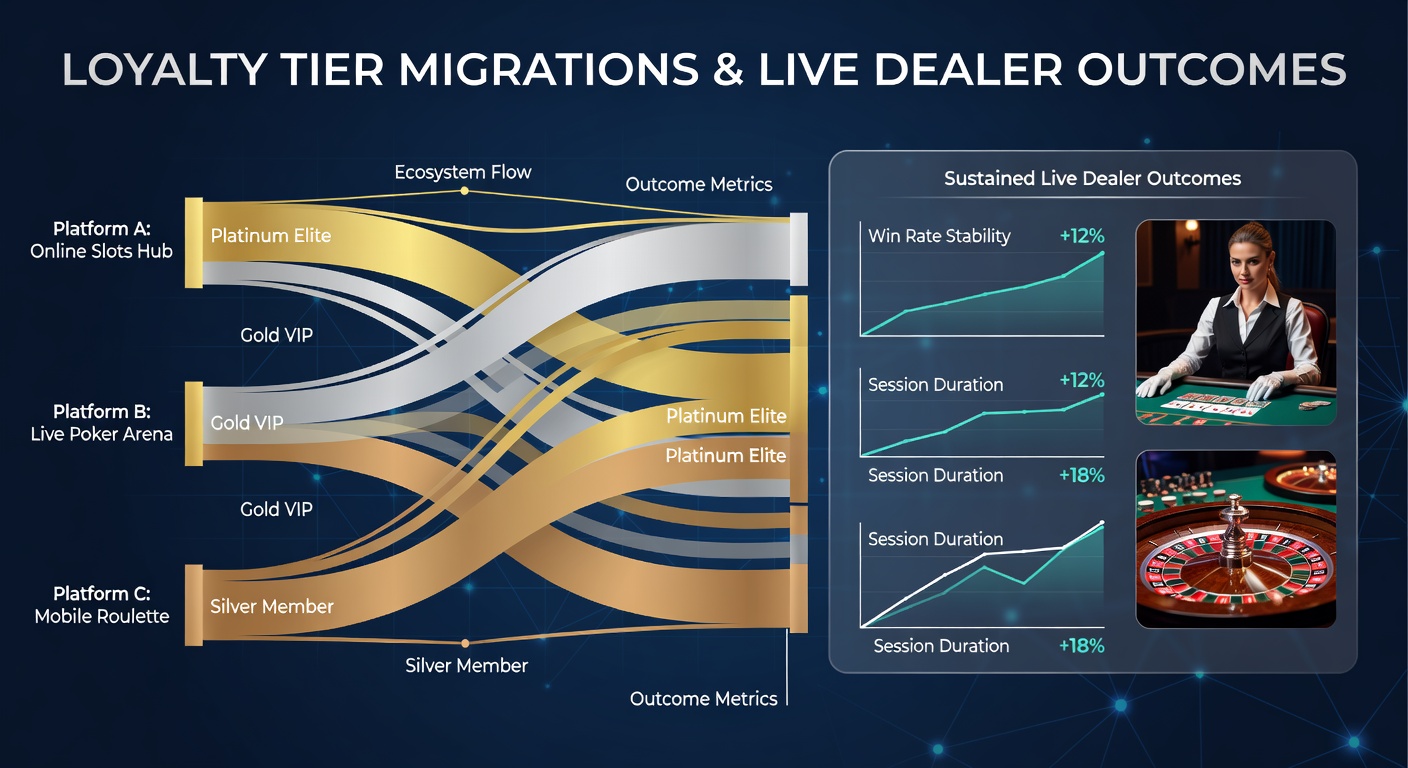
Operators track loyalty tier movements across digital and physical venues because these shifts directly correlate with session lengths and wager volumes in live dealer environments, and data compiled through 2025 shows consistent patterns where players advancing from mid to premium tiers sustain 35 percent longer sessions at roulette and blackjack tables streamed from studio floors. Research from North American gaming associations reveals that migrations often follow predictable cycles tied to promotional calendars, with participants moving between mobile apps, desktop sites, and land-based partner properties to unlock escalating reward structures that include cashback multipliers and dedicated dealer access.
Core Mechanics of Tier Structures in Integrated Casino Systems
Tier frameworks operate on accumulated points earned through bets placed on slots, table games, and live dealer streams, yet the real dynamics emerge when players transfer activity across separate platforms operated by the same parent company or affiliated networks. Points accrued on a mobile slot session can feed into live dealer blackjack progression on a desktop interface while the same account maintains status at a partnered brick-and-mortar location, and this interoperability creates migration pathways that analysts monitor through anonymized transaction logs. Figures from the Canadian Gaming Association indicate that 62 percent of high-volume live dealer participants hold accounts on at least three distinct platforms, allowing them to optimize point earning rates depending on device and game type available at any given moment.
Observed Migration Patterns and Data Trends
Players frequently descend tiers during off-peak months before climbing again when seasonal promotions align across ecosystems, and records from May 2026 highlight a noticeable uptick in cross-platform activity following the introduction of unified loyalty ledgers by several major operators. Those who study player behavior note that migrations accelerate when live dealer tables introduce tier-exclusive side bet options or faster payout processing for premium members, prompting users to consolidate play on the platform offering the strongest immediate benefits. What's interesting is how geographic factors influence these movements, with European users showing stronger preference for desktop-to-mobile shifts while Australian participants demonstrate higher rates of online-to-land-based transitions during major sporting events.
Platform-Specific Incentives Driving Shifts
Mobile applications often award bonus points for quick deposits that carry over to live dealer sessions, whereas desktop platforms emphasize leaderboard competitions that reward sustained table presence, and this contrast encourages strategic migrations throughout a single month. One study from an Australian research institute tracked 4,800 accounts over 18 months and found that participants who alternated between mobile and live studio environments maintained tier status 22 percent longer than those who remained on a single interface. Operators respond by adjusting point conversion rates seasonally, which in turn prompts further migrations as players chase the most favorable exchange ratios for comps that directly enhance live dealer bankrolls.
Direct Effects on Live Dealer Session Longevity
Sustained outcomes at live dealer tables improve when tier status unlocks features such as reduced commission on baccarat or priority seating in high-limit streams, and migration data shows that players who recently advanced tiers exhibit measurably higher average bet sizes over consecutive sessions. Evidence suggests these improvements stem from both psychological reinforcement through status recognition and tangible advantages like personalized dealer interactions or accelerated withdrawal limits that reduce friction during extended play. Observers note that the correlation strengthens when multi-platform ecosystems synchronize their loyalty databases in real time, allowing seamless recognition of tier benefits regardless of entry point.
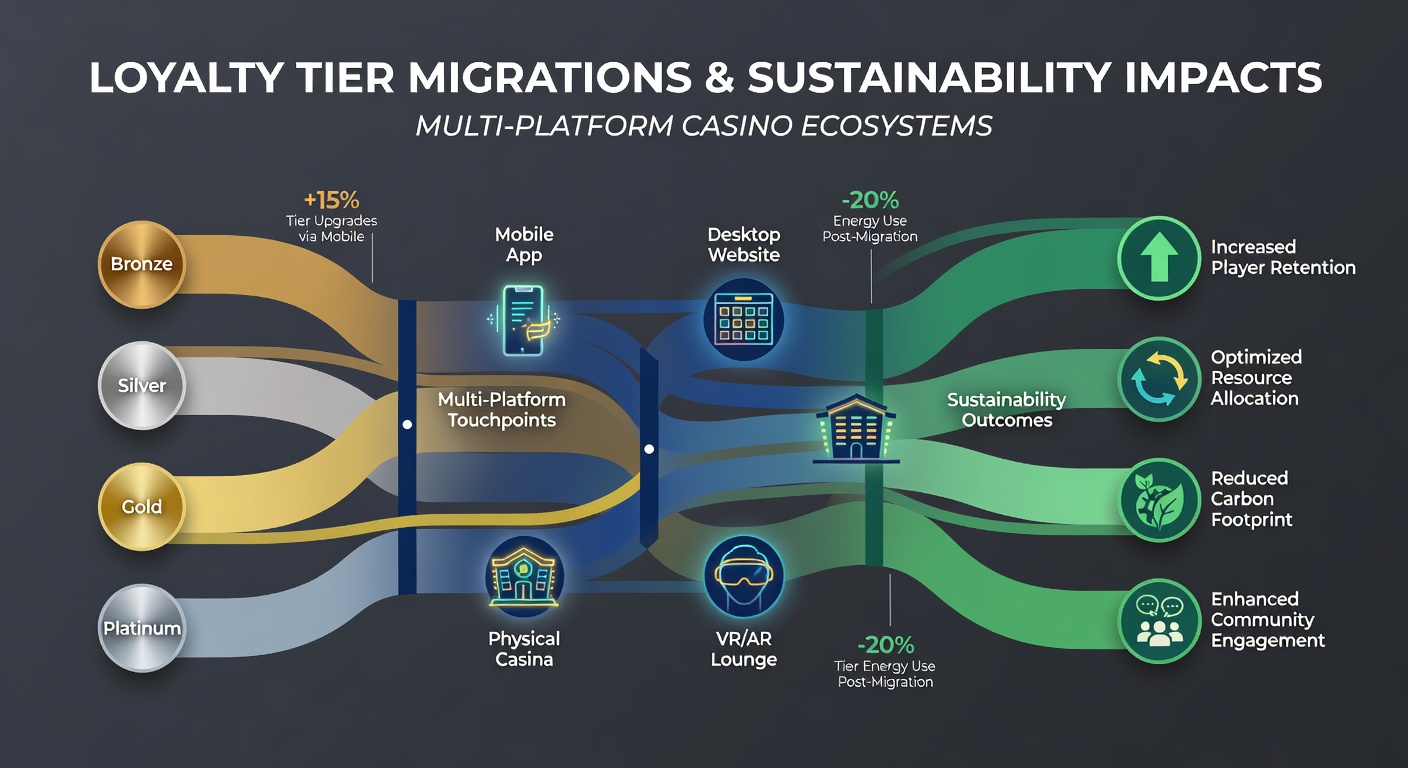
Take one dataset released by a European betting trade group that examined 12 months of live dealer traffic and discovered a 41 percent increase in repeat table visits among players who migrated tiers upward within the same ecosystem during that period. Those who've examined retention metrics understand that the effect compounds when live dealer outcomes include visible progress toward the next tier threshold displayed on screen, turning individual results into ongoing engagement loops that span multiple platforms.
Regulatory Context Across Regions
Authorities in various jurisdictions require transparent reporting of how loyalty mechanics influence play patterns, and compliance documentation from several markets shows operators must disclose tier migration statistics to ensure responsible gaming safeguards remain effective during cross-platform transitions. Data from regulatory bodies in Ontario and New Jersey demonstrate that players who migrate tiers frequently receive targeted responsible gaming messages calibrated to their new status level, and these interventions appear in session summaries without disrupting the flow of live dealer gameplay. The approach maintains consistency because unified loyalty systems allow regulators to monitor activity across all connected platforms rather than isolated verticals.
Conclusion
Patterns of loyalty tier migration across multi-platform casino networks continue to shape how participants sustain engagement with live dealer products, and the measurable links between tier advancement and session metrics provide operators with actionable insights for system design. Continued tracking through 2026 and beyond will clarify whether unified loyalty frameworks further amplify these effects or introduce new variables as regulatory standards evolve across different markets.