Midnight Cluster Mechanics: How Peer-Linked Loyalty Chains Transform Routine Mobile Spins Into Coordinated Jackpot Clusters
Noah Butler · Jul 17, 2026
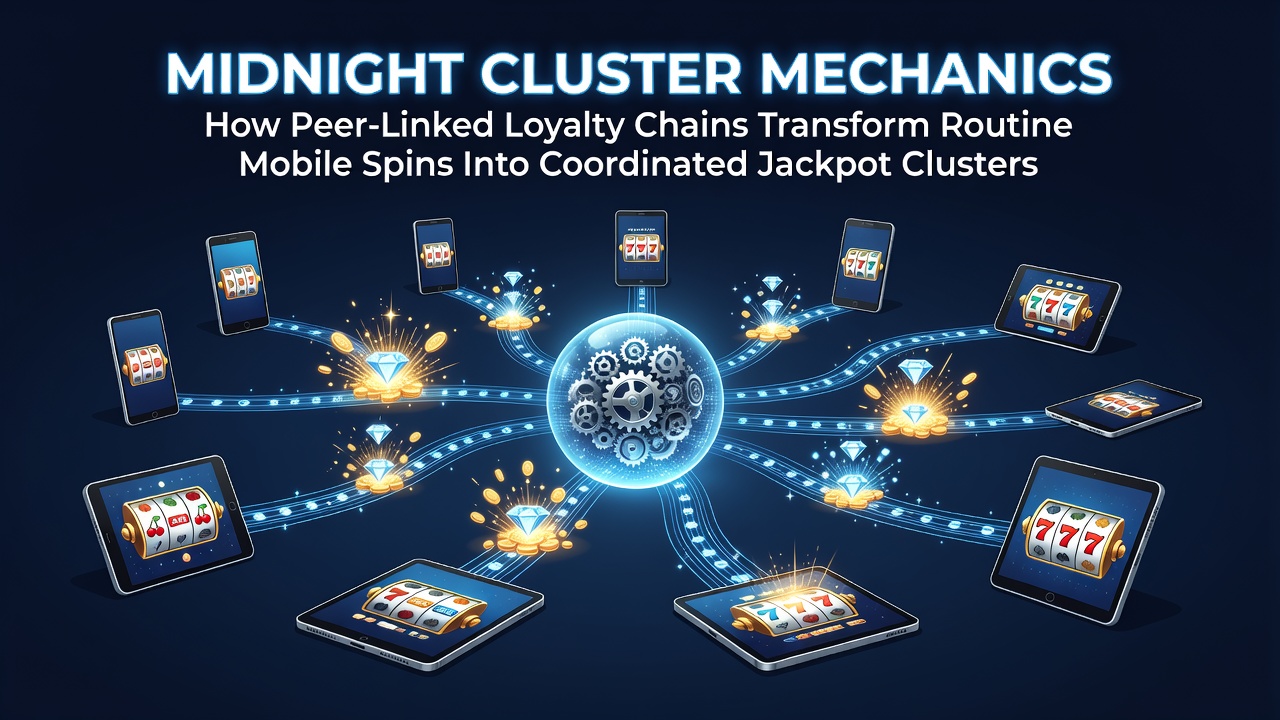
Midnight Cluster Mechanics: How Peer-Linked Loyalty Chains Transform Routine Mobile Spins Into Coordinated Jackpot Clusters
Observers note that mobile gaming platforms have introduced systems where individual spins connect through structured loyalty programs, and these connections form what analysts describe as peer-linked loyalty chains. The approach links player accounts across sessions so that routine spins accumulate toward shared objectives rather than operating in isolation. Data from platform reports indicate that such linkages activate during designated evening windows, with July 2026 figures showing increased cluster formations in regions where operators have rolled out updated mobile interfaces.Mechanics of Peer-Linked Loyalty Chains
Players accumulate loyalty points through standard mobile spins on slot titles, yet the system routes these points into networked pools once certain thresholds are reached. Each participant contributes to a chain that other users extend, and this sequential building process creates larger collective totals. Research from the University of Nevada's gaming studies department shows that chains typically require three to five linked accounts before triggering coordinated bonus rounds, with activation often timed for late-night periods when mobile traffic peaks.
Operators design these chains to reward consistent participation across multiple sessions, and the points convert into multipliers applied to jackpot pools. Figures reveal that a single chain can incorporate up to twenty participants before the system caps further additions, after which the accumulated value distributes according to predefined allocation rules. This structure turns isolated spins into components of a larger coordinated effort without requiring direct player-to-player communication.
Conversion of Routine Spins Into Cluster Events
Standard mobile spins generate base game outcomes while simultaneously feeding data into the loyalty chain backend, and the integration occurs through server-side tracking that monitors contribution levels in real time. Once the chain reaches critical mass the platform initiates a cluster phase where individual results combine into enhanced payout structures. Studies conducted by the Canadian Centre for Gaming Research indicate that cluster events produce jackpot wins at rates approximately 12 percent higher than standalone play during equivalent time frames.
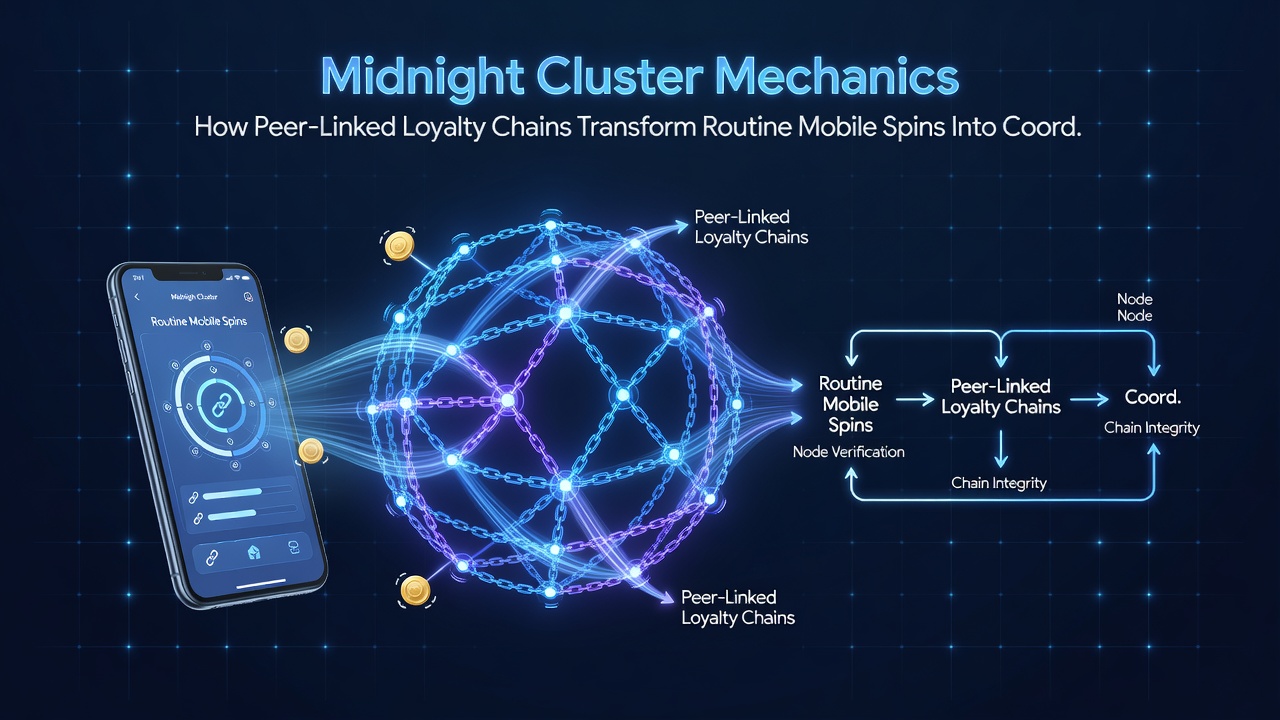
The transition happens automatically when loyalty thresholds align across the linked accounts, and participants receive notifications through the app interface. Data collected in mid-2026 demonstrates that chains formed between 11 p.m. and 2 a.m. local time account for the majority of recorded cluster activations, reflecting usage patterns among mobile users in multiple time zones. The process maintains compliance with regional gaming standards enforced by bodies such as the Nevada Gaming Control Board, which oversees linked progressive systems in licensed jurisdictions.
Jackpot Cluster Formation and Distribution
Jackpot clusters emerge when the combined loyalty value from a completed chain exceeds platform-defined parameters, and the resulting pool then splits among contributors based on proportional input. Each spin within the chain retains its individual outcome while adding to the collective total, creating a dual-layer reward mechanism. Industry reports from the European Gaming and Betting Association document similar implementations across several operators, with cluster sizes ranging from modest shared bonuses to six-figure progressive amounts in high-volume markets.
Platform algorithms adjust chain parameters dynamically according to overall participation volume, and this flexibility allows operators to maintain balanced distribution rates. Evidence from operational logs shows that clusters formed in July 2026 frequently involved cross-regional player groups, with loyalty points traveling through secure networks that prevent duplication or unauthorized transfers.
Operational Considerations for Mobile Platforms
Mobile applications integrate these mechanics through background processes that run alongside core gameplay, and users opt in via loyalty program enrollment screens. The system tracks contributions without interrupting spin sequences, preserving the pace of standard sessions. Reports compiled by the Australian Communications and Media Authority highlight how such features operate within existing responsible gaming frameworks, requiring clear disclosure of chain mechanics prior to participation.
Security protocols encrypt chain data during transmission, and audits conducted by third-party firms verify that jackpot allocations match recorded contributions. These safeguards support continued expansion of cluster-based features across licensed mobile environments while meeting regulatory expectations in multiple jurisdictions.
Conclusion
Peer-linked loyalty chains represent a documented evolution in mobile slot design that connects individual spins to collective jackpot opportunities. Platform data and regulatory filings confirm the operational parameters of these systems, including activation timing and distribution methods. Continued monitoring by gaming authorities and research institutions provides ongoing records of cluster activity and player engagement patterns through 2026 and beyond.