Patterns in Reward Accumulation: How Sequential Offers Shape Outcomes in Electronic Gaming Platforms
Noah Butler · May 27, 2026

Patterns in Reward Accumulation: How Sequential Offers Shape Outcomes in Electronic Gaming Platforms
Electronic gaming platforms structure rewards through layered sequences that build over multiple sessions, and these patterns influence how players accumulate bonuses, loyalty points, and promotional credits across digital interfaces. Data from industry reports shows that sequential offers, such as initial welcome packages followed by daily login incentives and milestone-based multipliers, create measurable trajectories in player engagement metrics. Researchers tracking platform analytics note that these chains often start with low-threshold entry rewards and escalate based on continued activity, which shapes deposit patterns and session durations in consistent ways.
Core Mechanics of Sequential Reward Chains
Platforms design sequential offers to encourage repeated interactions by tying each new incentive to prior actions, and this approach relies on algorithms that monitor cumulative playtime or wager volumes. According to findings from the University of Las Vegas gaming studies, players who complete early sequence steps show higher rates of advancing to subsequent tiers, where rewards increase in value but require stricter conditions. These systems operate through automated tracking that logs every login streak, deposit event, and game round, allowing platforms to adjust offer timing without manual intervention.
One common pattern involves a three-stage progression where the first offer activates upon account creation, the second unlocks after a set number of spins or hands, and the third delivers enhanced returns only after total activity thresholds are met. Observers note that such structures appear across mobile and desktop formats alike, with variations depending on regional regulations that govern bonus transparency and expiration rules. In May 2026, aggregated platform data revealed that sequences incorporating time-limited daily components maintained steadier retention curves compared to one-time bulk rewards.
Data Patterns from Platform Analytics
Analytics dashboards on major electronic gaming sites record how sequential rewards correlate with changes in average bet sizes and frequency of deposits, and studies from the International Gaming Institute highlight predictable spikes during the middle phases of multi-offer campaigns. Players often accelerate activity when nearing a sequence milestone, which produces clustered transaction logs that platforms use to refine future offer timing. Figures from cross-platform comparisons indicate that sequences spanning seven to fourteen days generate more sustained participation than shorter or longer cycles.
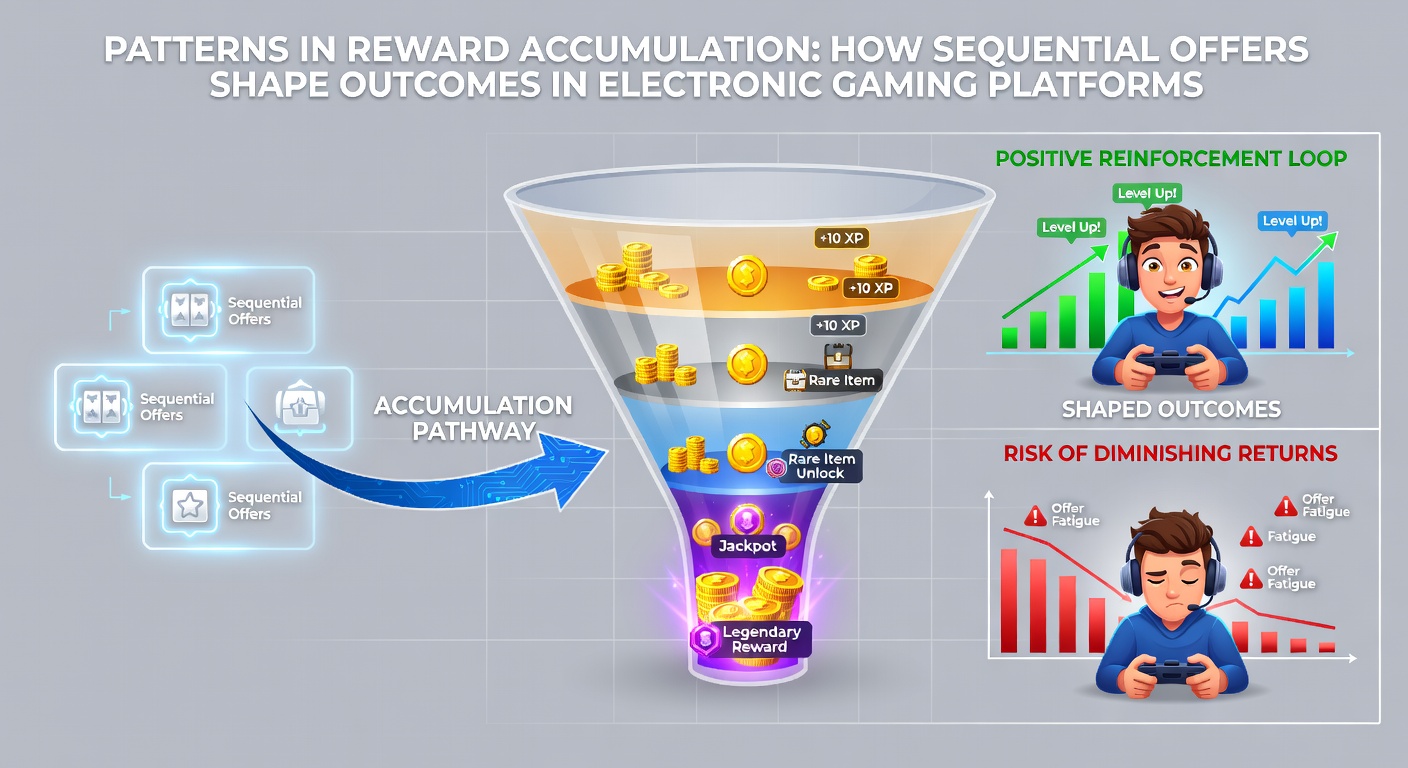
But here's the thing: external factors like concurrent promotions from competing platforms can interrupt these patterns, leading to shifts in completion rates that analysts track through comparative datasets. Research published by the Canadian Centre for Gaming Research demonstrates that when sequences align with calendar events, such as weekend multipliers or holiday extensions, the resulting accumulation curves flatten or steepen depending on offer overlap. Those who examine these logs find that reward redemption rates peak immediately after sequence completion rather than during active phases.
Regional Variations in Offer Sequencing
European and North American platforms apply different constraints to sequential rewards because of local licensing frameworks, and this produces distinct accumulation profiles that researchers compare in annual reviews. Australian regulatory filings, for instance, require clear disclosure of sequence conditions, which influences how offers are presented and completed. Australian gambling research reports document higher milestone achievement when sequences include visible progress indicators rather than hidden requirements.
Platforms in regulated markets also integrate responsible gaming tools that pause or modify sequences for certain accounts, and this intervention alters expected accumulation paths without changing the underlying offer architecture. Data released in May 2026 from multi-jurisdictional audits shows that sequences with built-in cooling periods maintain compliance while still delivering measurable reward growth for active users.
Algorithmic Adjustments and Player Response
Algorithms behind these systems recalibrate sequence parameters based on aggregated player cohorts, and this dynamic adjustment creates feedback loops where successful patterns receive wider deployment. Observers tracking platform updates note that successful sequences often incorporate branching paths, allowing players to choose between different reward types at key decision points. Such branching increases perceived control while still guiding overall accumulation toward platform-preferred outcomes.
Take one analysis from the Nevada Gaming Control Board archives that examined mobile platform logs: sequences with escalating daily components produced steadier wager totals across the full duration compared to front-loaded offers. Those patterns hold across game categories, though slot-focused sequences tend to emphasize spin counts while table game sequences track hand volumes instead.
Conclusion
Sequential reward structures on electronic gaming platforms continue to evolve through data-driven refinements that respond to observed accumulation behaviors, and these refinements produce consistent patterns across diverse user groups. Platforms monitor completion metrics and redemption timing to fine-tune future sequences, while external research from academic and regulatory sources supplies comparative benchmarks. The result is an ongoing cycle where offer design and player response mutually shape the measurable outcomes visible in platform statistics.