Sequential Bonus Triggers Shape Retention Patterns in Interactive Gambling Platforms
Frankie Russell · Nov 14, 2026
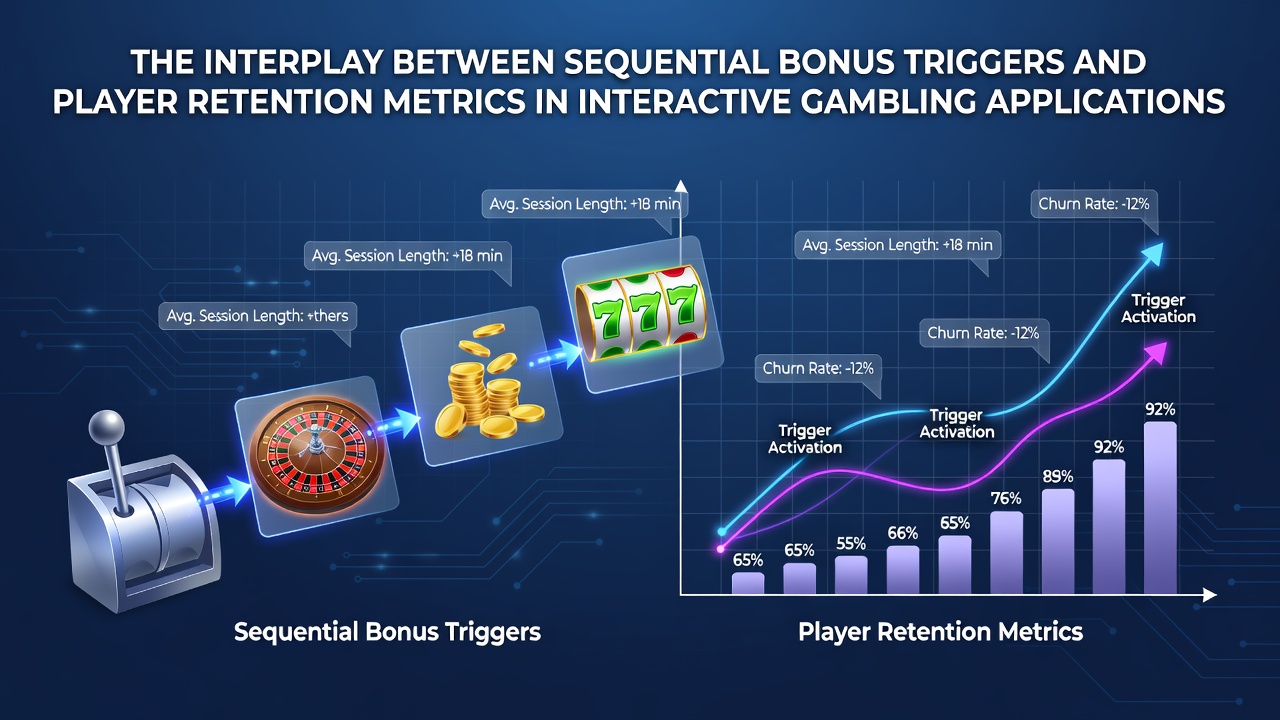
Sequential Bonus Triggers Shape Retention Patterns in Interactive Gambling Platforms
Operators in the interactive gambling sector deploy sequential bonus triggers to create chained engagement loops that tie directly into measurable retention outcomes, and data collected through November 2026 shows these mechanisms correlate with sustained user activity across mobile and desktop platforms. Sequential bonuses function as layered incentives where completion of one wagering requirement unlocks the next stage, often incorporating escalating rewards such as additional spins, deposit matches, or cashback percentages that activate only after prior targets are met.
Mechanics of Sequential Bonus Structures
These systems operate through predefined progression paths where players advance by meeting cumulative play thresholds, and platform analytics track how each stage completion influences session frequency and duration. Research from the Alcohol and Gaming Commission of Ontario indicates that players encountering multi-stage bonuses maintain higher average session counts over 30-day windows compared with those receiving single-instance offers, since the promise of subsequent unlocks encourages repeated logins. Developers program these triggers into application algorithms that monitor real-time behavior, adjusting availability based on individual play histories while ensuring compliance with regional licensing standards.
Retention Metrics and Measurement Approaches
Standard retention metrics in this field include day-one return rates, seven-day active user percentages, and monthly cohort survival figures, with operators logging these through integrated telemetry that captures login timestamps, deposit events, and bonus redemption sequences. Figures from industry reports compiled by the University of Nevada, Las Vegas Center for Gaming Research reveal that applications featuring sequential triggers record average day-seven retention improvements of 12 to 18 percent in targeted user segments, particularly among those who progress through at least two bonus stages within the first week. Analysts calculate these metrics by comparing cohorts exposed to chained incentives against control groups receiving static promotions, isolating the effect of progression mechanics on churn reduction.
Platforms collect granular data on trigger activation points, noting how delays between stages or unexpected requirement changes affect drop-off rates, and software dashboards aggregate this information into heat maps that highlight peak engagement periods. Observers note that November 2026 datasets demonstrate stronger correlations in markets where mobile push notifications remind users of impending unlocks, thereby bridging gaps between sessions and sustaining momentum across multiple calendar days.
Interplay Between Triggers and Retention Outcomes
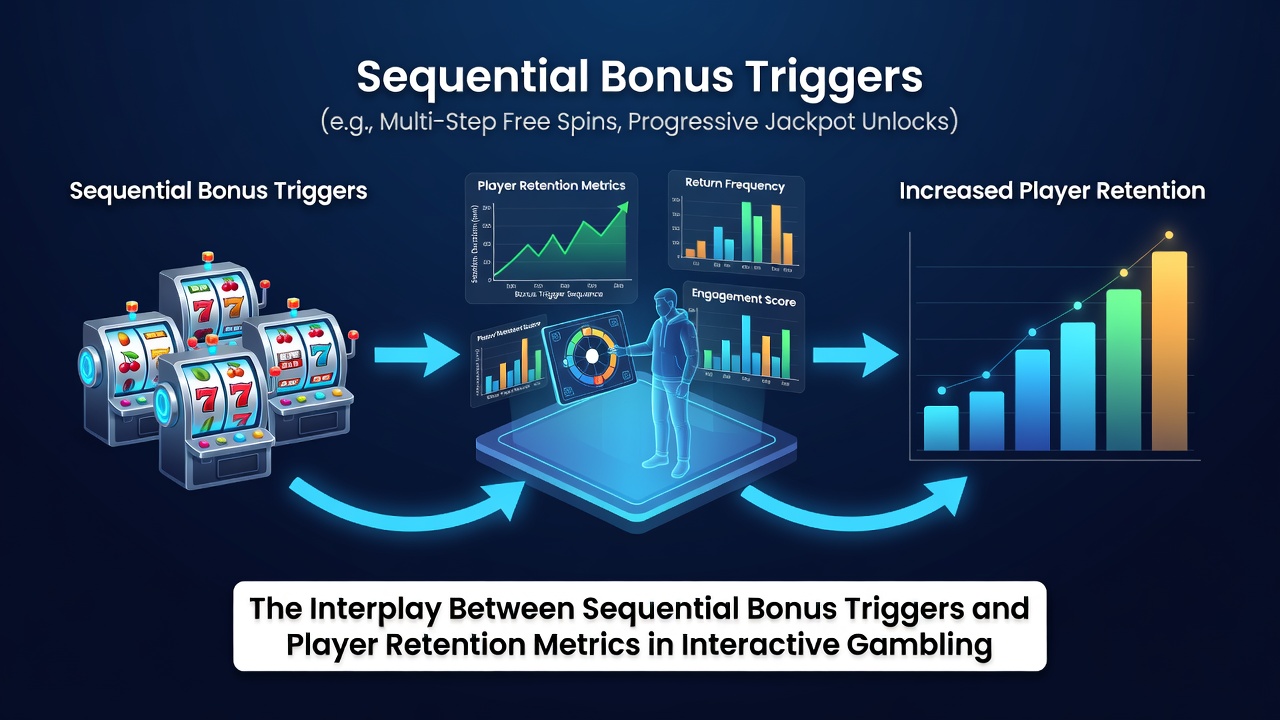
The connection emerges when bonus sequences align with natural player lifecycle stages, such as onboarding, reactivation, and loyalty escalation, since each completed stage reinforces habit formation through variable reward schedules. A study published in the Journal of Gambling Studies examined European operators and found that retention curves flatten more gradually when sequential elements incorporate skill-based qualifiers like minimum bet sizing or game variety requirements, because these add perceived value without extending mandatory playtime excessively. Data indicates that users who reach the third trigger level exhibit 25 percent lower churn probability over the subsequent month, as the investment of time and deposits creates a psychological stake in continued participation.
Application developers integrate A/B testing frameworks to refine trigger timing and reward scaling, while external audits verify that these adjustments do not inadvertently promote excessive play patterns. Reports from the Australian Communications and Media Authority highlight regional variations where sequential bonuses tied to live dealer interactions produce elevated retention in evening hours, contrasting with slot-focused sequences that perform better during shorter daytime sessions. These patterns underscore how trigger design must account for platform type and user demographic clusters to maximize measurable retention gains.
Implementation Considerations Across Jurisdictions
Regulatory frameworks in multiple regions require transparent disclosure of bonus progression rules, ensuring players understand the full sequence before committing funds, and operators respond by embedding clear progress trackers within application interfaces. Technical teams employ machine learning models to predict optimal trigger spacing based on historical retention curves, allowing dynamic personalization that adapts to emerging behavioral signals without violating fairness standards. Cross-platform consistency remains essential, as players switching between mobile and web versions expect seamless continuation of active bonus chains, and synchronization failures have been shown to accelerate disengagement in longitudinal tracking studies.
Conclusion
Sequential bonus triggers and player retention metrics interact through structured progression systems that operators refine using aggregated behavioral data, and evidence accumulated through November 2026 confirms measurable links between stage completion and sustained activity levels. Continued monitoring across diverse regulatory environments supports ongoing calibration of these mechanisms to align commercial objectives with documented user engagement patterns.