Sequential Reward Mechanics in Mobile Gaming Ecosystems
Zoe Schmid · Jun 22, 2026
Sequential Reward Mechanics in Mobile Gaming Ecosystems
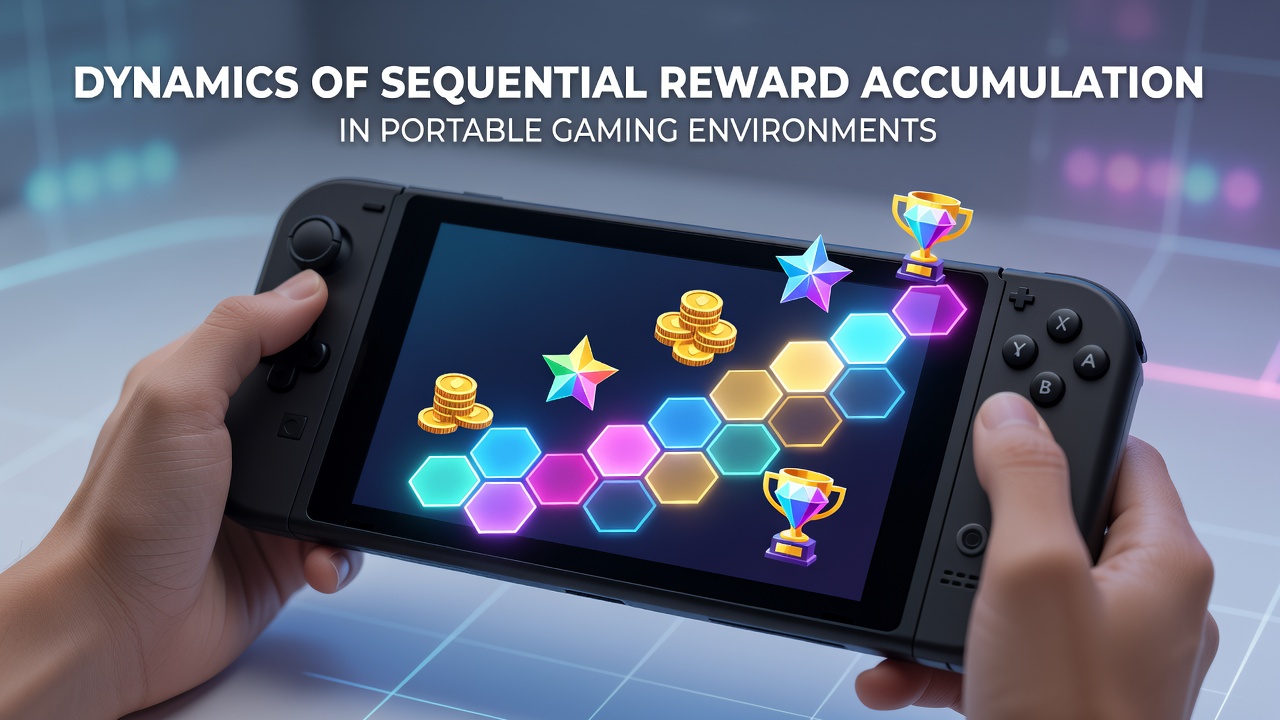
Portable gaming environments operate through structured sequences where players accumulate rewards over repeated interactions, and these systems rely on timing, progression tiers, and behavioral triggers that keep engagement patterns consistent across devices. Data from industry reports indicate that reward sequences often begin with immediate small incentives, then shift toward longer accumulation cycles that require sustained play or daily returns.
Core Components of Reward Sequencing
Game developers design sequences using login streaks, point multipliers, and tiered unlocks, while portable platforms add device-specific variables such as push notifications and session length tracking. Researchers at academic institutions have documented how these layers combine to create compounding effects, where early rewards feed into later stages rather than resetting after each session. Studies show completion rates rise when sequences include both short-term gains and extended collection goals that span multiple days or weeks.
Mechanics frequently incorporate variable ratio schedules, meaning rewards appear after unpredictable numbers of actions, and this approach draws from established behavioral research conducted outside any single regulatory region. Portable games track cumulative metrics like total playtime or consecutive days, then release rewards at predefined thresholds that adjust based on player history within the app ecosystem.
Device and Platform Influences
Smartphones and tablets introduce unique factors because hardware differences affect how sequences display and progress. Screen size, battery status, and background data usage all intersect with reward delivery, creating situations where a player on one device might receive notifications faster than on another. Industry analyses from organizations like the Interactive Games and Entertainment Association reveal that cross-device synchronization has become standard, allowing accumulation to continue seamlessly when users switch between phones and tablets during the same day.
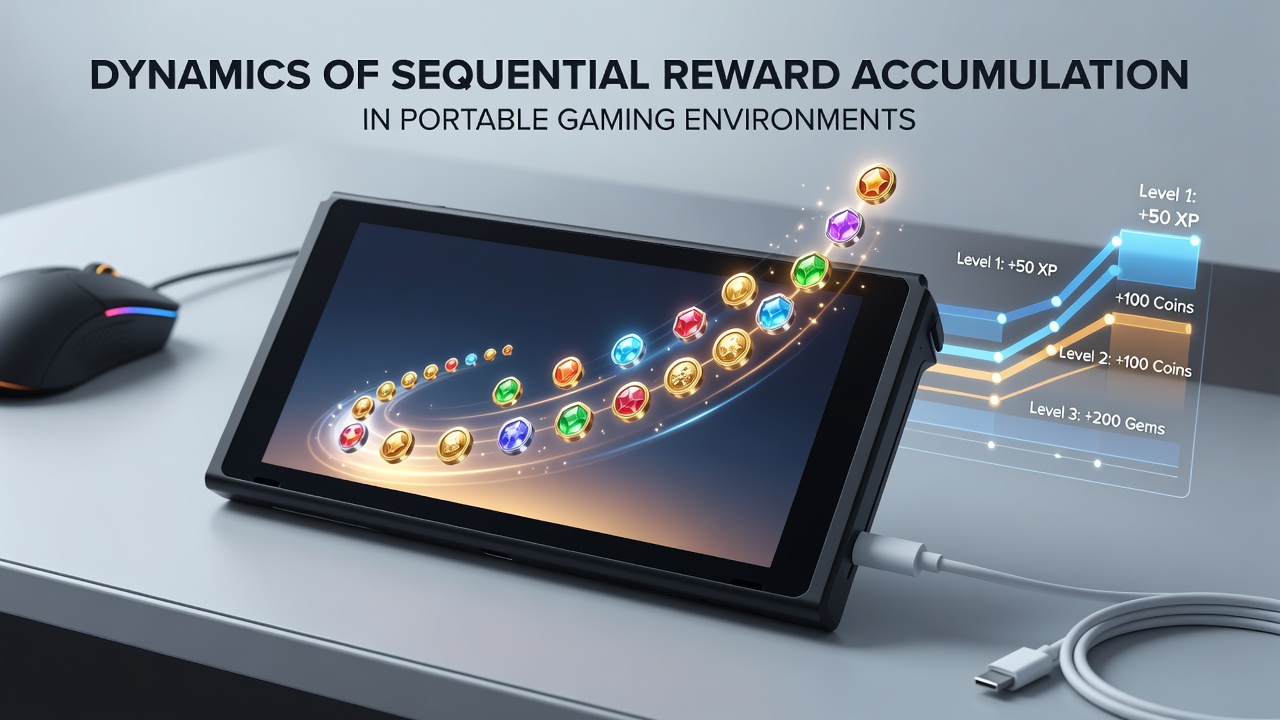
Operating system updates in 2025 and into June 2026 have altered notification permissions and background refresh rates, which in turn impacts how reliably sequences advance without active player input. Developers responded by building fallback mechanisms that store progress locally until connectivity resumes, thereby reducing interruptions in reward flow.
Player Behavior Patterns and Data Trends
Observational data collected across millions of portable gaming accounts shows distinct phases in how individuals interact with sequential rewards. Initial engagement tends to focus on immediate collection tasks, whereas longer-term users shift attention toward optimizing the order of reward claims to maximize multipliers. Reports from research bodies in Canada and Australia document that retention metrics improve when sequences include social sharing components that let players compare progress with others.
Accumulation often peaks during evening hours and weekends, with portable environments capturing these patterns through timestamped event logs. One analysis of aggregated gameplay records found that sequences spanning seven to fourteen days produce higher overall completion than shorter cycles, because the extended timeline gives players more opportunities to recover from missed sessions without losing prior gains.
Technical Implementation Across Genres
Action, puzzle, and simulation titles each adapt sequential rewards differently yet follow similar underlying structures. Puzzle games frequently tie rewards to level completion counts, while simulation titles link them to resource gathering over real-time periods. Portable constraints such as limited storage require efficient data packaging, so developers compress sequence states into small files that update during brief connection windows.
Developers also integrate adaptive difficulty that scales reward frequency based on detected player skill, ensuring sequences remain attainable without becoming trivial. This calibration draws on telemetry that updates continuously, allowing the system to recalibrate thresholds without requiring manual patches.
Conclusion
Sequential reward accumulation in portable gaming environments continues to evolve through refined tracking methods, hardware adaptations, and behavioral data integration. The mechanics sustain engagement by balancing immediate feedback with extended collection goals, and platform changes through 2026 will likely introduce further refinements to how these sequences operate across devices and player bases.