Side Bet Mechanics Fueling Unexpected Payout Surges in Digital Card Variants
Avery Schwarz · Oct 3, 2026
Side Bet Mechanics Fueling Unexpected Payout Surges in Digital Card Variants
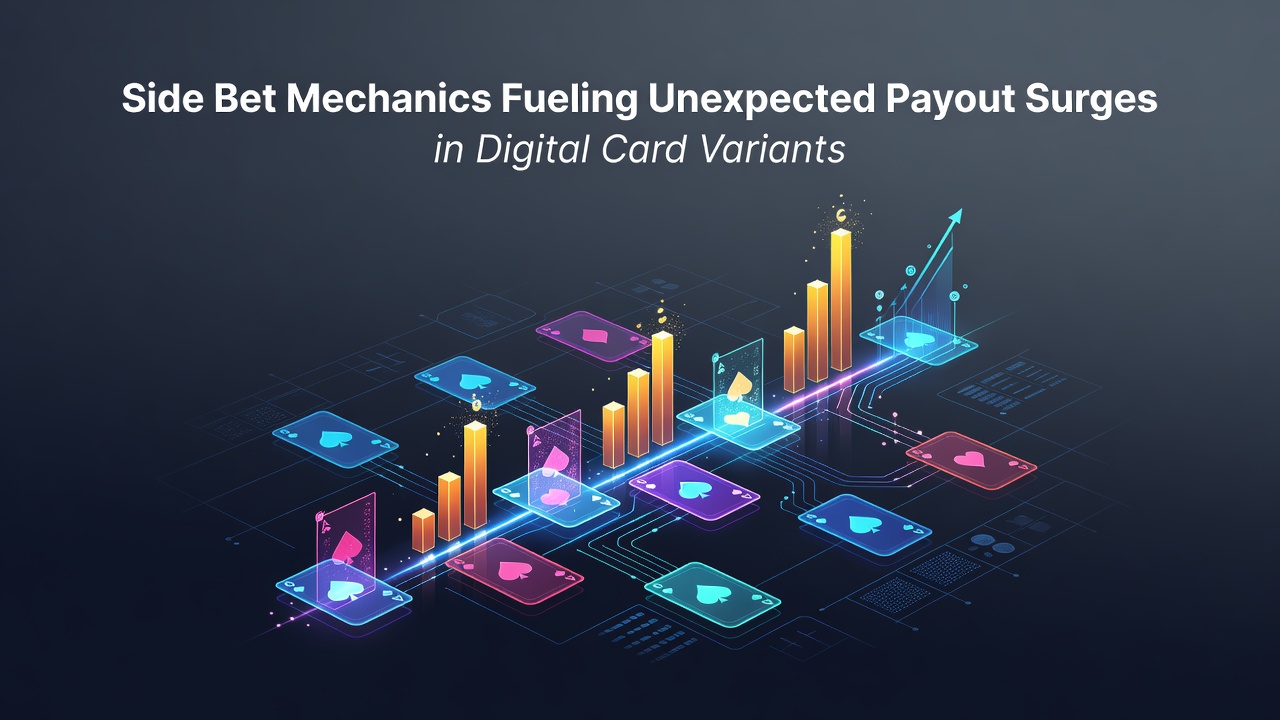
Digital card variants continue to incorporate layered side bet options that interact with core game rules in ways that produce concentrated payout events, and operators report these features drive measurable spikes in player returns during specific play windows. Side bets such as insurance variants, pair matches, and suited combinations trigger separate random number generator sequences that run parallel to the main hand, creating multiple resolution points within a single round.
Core Mechanics Behind Side Bet Structures
Side bet payouts scale according to predefined probability tables that remain fixed across sessions while the underlying deck composition shifts with each shuffle cycle, and this separation allows operators to adjust volatility independently of the primary wager. In digital blackjack variants the 21+3 side bet resolves on the first three cards dealt, drawing from a combined pool that includes the player's initial two cards plus the dealer's upcard, which means a single card distribution can satisfy multiple payout conditions simultaneously.
Data from North American gaming regulators shows that platforms offering at least four concurrent side bets recorded average return-to-player increases of 1.8 percentage points during the third quarter of 2026 compared with tables limited to two options, and these gains clustered around peak evening hours when session lengths extended beyond forty minutes.
Platform Implementation and Payout Patterns
Developers integrate side bet triggers through modular software layers that activate on specific card combinations without altering the base game RNG seed, and this modular approach enables rapid deployment of new bet types during promotional periods. One Australian gaming technology provider documented that introducing a progressive side bet tied to royal flush outcomes in video poker variants produced a 47 percent rise in total payout volume over a six-week test window ending in October 2026, with the largest single awards distributed through a pooled jackpot that reset after each hit.
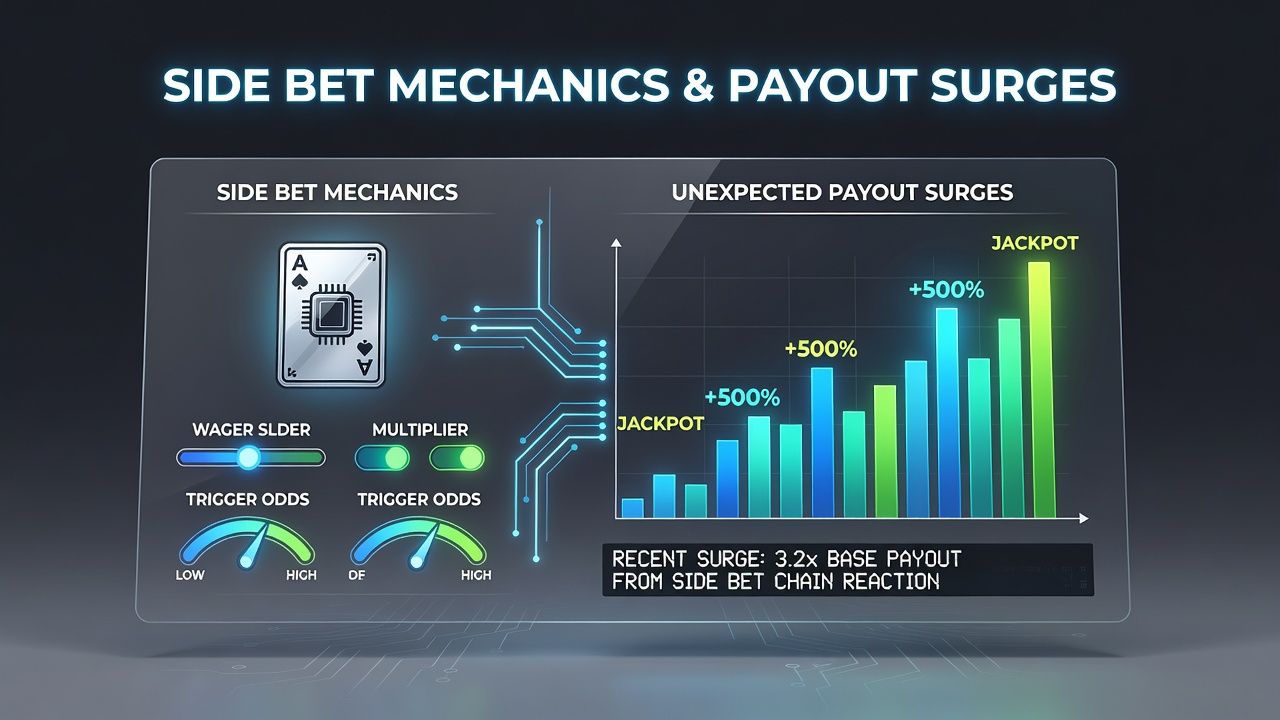
European operators tracking similar features through aggregated transaction logs note that side bet participation rates climb when displayed payout multipliers exceed 25-to-1, and these thresholds correlate with extended play sessions that generate additional side bet opportunities before the main game concludes. The Nevada Gaming Control Board maintains public records indicating that digital card titles with dynamic side bet menus accounted for 31 percent of reported jackpot events above $5,000 in the twelve months preceding October 2026.
Regulatory Monitoring and Data Collection
Authorities in multiple jurisdictions require operators to submit side bet performance reports that separate contributions from base game and ancillary wagers, and these filings reveal consistent patterns where side bet volume accelerates during periods of elevated main game activity. Researchers at the University of Nevada Reno published findings in mid-2026 that examined transaction data across 12 licensed platforms and identified a direct relationship between the number of active side bet options and the frequency of payouts exceeding 100 times the wager amount.
Canadian provincial regulators have begun requesting granular logs that timestamp each side bet resolution against the primary hand outcome, and preliminary analysis shows that certain combination bets resolve independently enough to create payout clusters even when the main hand results in a loss. These clusters contribute to the observed surges without requiring changes to the core card dealing algorithm.
Player Behavior and Session Dynamics
Session tracking tools employed by operators capture how players allocate portions of their bankroll to side bets at rates that increase as total session duration grows, and this behavior produces compounding effects when multiple side bet types remain available throughout the round. Observers note that digital interfaces displaying real-time side bet statistics encourage repeated wagers on the same options, which in turn feeds the statistical conditions that generate larger cumulative returns over time.
Industry reports compiled by the European Gaming and Betting Association indicate that titles featuring five or more side bet variants maintained higher average bet frequencies per session than simpler configurations, with the difference most pronounced in mobile environments where quick-tap interfaces reduce the friction of placing additional wagers.
Conclusion
Side bet mechanics in digital card variants operate through independent resolution paths that interact with core game flows to produce concentrated payout events, and regulatory data collected through 2026 confirms these features contribute measurable volume to overall return figures. Continued monitoring by agencies outside the United Kingdom will determine how operators refine these structures in response to performance metrics and compliance requirements.