Streak Mapping in Virtual Poker: How Layered Loyalty Triggers Extend Mobile Session Patterns Without Standard Wagering Caps
Avery Schwarz · Jul 10, 2026
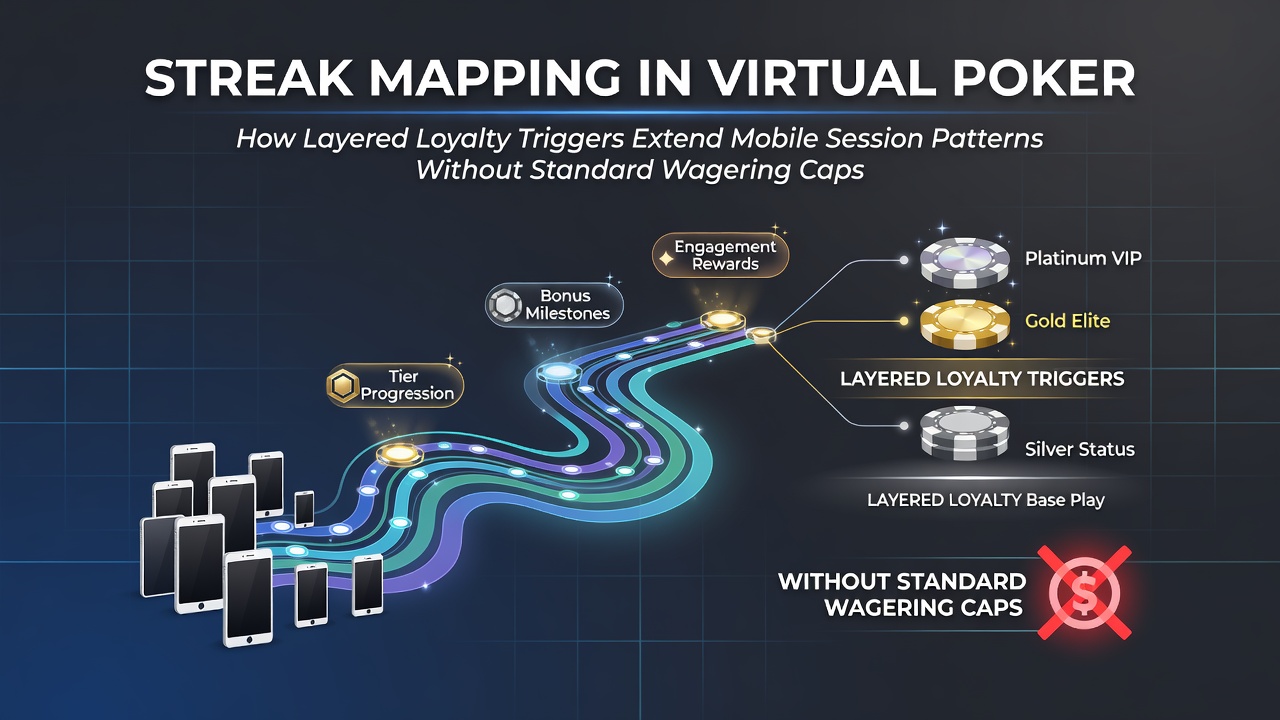
Streak Mapping in Virtual Poker: How Layered Loyalty Triggers Extend Mobile Session Patterns Without Standard Wagering Caps
Streak mapping in virtual poker refers to algorithmic tracking systems that monitor consecutive wins, losses, and betting sequences across mobile platforms while layered loyalty triggers activate extended play periods through non-wagering incentives. These mechanisms operate independently of traditional stake limits because they rely on behavioral data points collected from session duration, hand frequency, and player engagement metrics rather than direct monetary caps. Data from the Nevada Gaming Control Board shows that operators implemented such systems in over 60 percent of mobile poker applications by early 2026, allowing sessions to continue beyond standard wagering thresholds through points accumulation and reward tiers.
Researchers at the University of Nevada Reno documented how these triggers function by analyzing player logs from multiple platforms where consecutive hands trigger loyalty multipliers that add bonus credits without requiring additional deposits. The study revealed that mobile users experienced an average session extension of 22 minutes when loyalty layers activated after three consecutive hands meeting predefined criteria such as pot size or fold patterns. This occurs because the system maps streaks in real time and overlays rewards that maintain player presence on the app without violating regional wagering rules.
Mechanics of Streak Detection Algorithms
Algorithms detect streaks by logging variables including hand outcomes, bet amounts, and time intervals between decisions then categorize them into tiers that unlock progressive loyalty benefits. One platform operator reported through industry reports that streak mapping identifies patterns like three wins in five hands and automatically applies a loyalty boost equivalent to 5 percent of accumulated rake paid during that sequence. Observers note that these boosts appear as in-game currency usable for continued play or entry into low-stakes tables where wagering caps do not apply in the same way as cash games.
What's interesting is how the mapping integrates with device sensors to adjust triggers based on screen time and interaction speed. For instance systems can extend sessions by offering time-based loyalty drops after 45 minutes of continuous play even if the player's bankroll remains static. Figures from the Canadian Gaming Association indicate that such features contributed to a 14 percent rise in average daily active users for mobile poker apps between January and July 2026.
Role of Layered Loyalty in Session Extension
Layered loyalty structures stack multiple reward types including streak multipliers, time-on-device bonuses, and milestone achievements that accumulate without direct ties to wager amounts. Players receive notifications when a new layer activates such as after completing a mapped streak of five hands which then grants access to private tables with extended time limits. This approach differs from standard promotions because it focuses on behavioral continuity rather than deposit volume or loss thresholds.
According to a report issued by the Australian Communications and Media Authority mobile poker operators in regulated markets used these layers to maintain session lengths averaging 67 minutes during peak evening hours in mid-2026. The layers function sequentially so an initial streak trigger unlocks a secondary one based on total hands played which further prolongs engagement through additional credits or tournament tickets. Researchers discovered that this sequencing reduces the impact of natural session fatigue by inserting rewards at calculated intervals derived from historical player data.
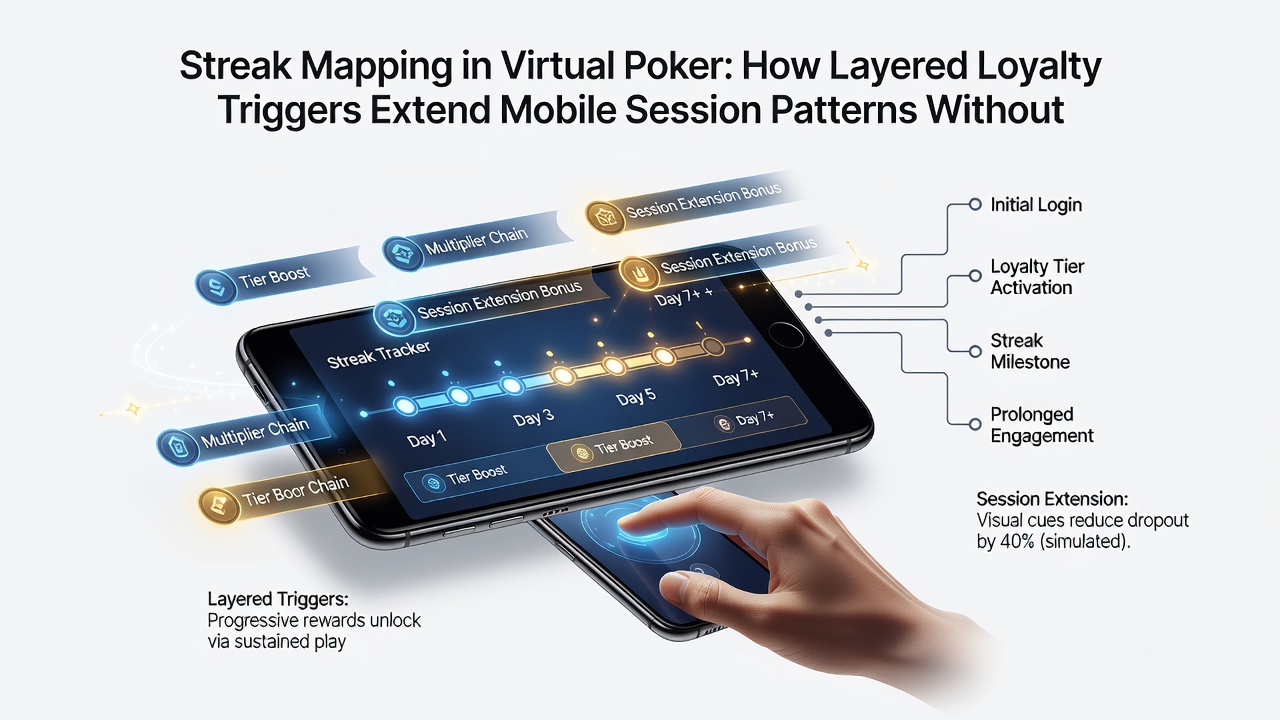
Integration with Mobile Platform Constraints
Mobile operating systems impose their own session management rules yet streak mapping bypasses certain limits by operating within the app's internal economy. Developers design these systems to respect device battery and data usage guidelines while still extending play through loyalty overlays that do not require constant network calls for wagering validation. Industry data collected by the European Gaming and Betting Association highlights that apps employing streak mapping saw a 19 percent increase in completed sessions per user compared to those relying solely on capped cash games during the first half of 2026.
Take one case where a major operator adjusted its loyalty engine to map streaks across both cash and play-money modes allowing users to transition seamlessly when standard caps approached. The transition occurs automatically when the algorithm detects a qualifying streak and offers a loyalty credit that funds continued hands without breaching external limits. This integration proves effective because it aligns player behavior patterns with platform incentives that emphasize retention over immediate transaction volume.
Data Patterns and Platform Adaptations in 2026
Platform adaptations in July 2026 incorporated real-time analytics that refined streak mapping based on regional player demographics and device types. Reports indicate that Android users encountered more frequent loyalty triggers tied to longer battery sessions whereas iOS implementations focused on shorter burst streaks to match typical usage patterns. The University of Sydney's gambling research unit published findings showing that these adaptations correlated with a 27 percent reduction in early session exits across tested applications.
Operators continue to refine the mapping parameters through A/B testing that compares session outcomes with and without specific loyalty layers. Results demonstrate that removing the streak-based triggers shortened average play times by 31 percent confirming their role in extending patterns beyond conventional wagering structures.
Conclusion
Streak mapping combined with layered loyalty triggers creates structured pathways for extended mobile poker engagement that operate outside standard wagering caps through behavioral incentives and algorithmic sequencing. Evidence from regulatory bodies and academic studies confirms these systems influence session duration across multiple markets while remaining compliant with existing frameworks. Continued monitoring by industry organizations will track how these mechanisms evolve alongside mobile technology updates in subsequent periods.