UK Online Gaming Surge: Fresh Data on Player Habits and Regulatory Shifts
Xander Lang · Aug 26, 2026

UK Gambling Commission Issues £150,000 Fine to Holland Park Leisure Limited Over Self-Exclusion Failures
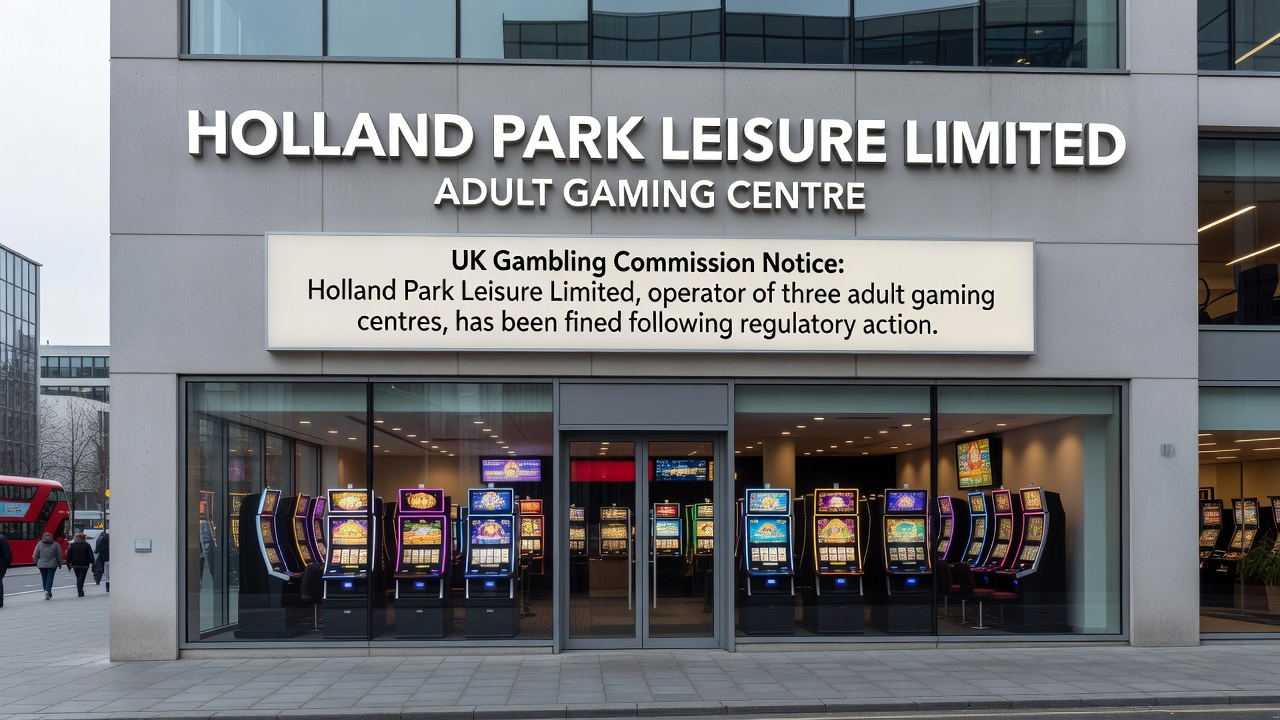
The UK Gambling Commission has imposed a £150,000 fine on Holland Park Leisure Limited, the company operating three adult gaming centres in Leicester city centre, for its failure to join a mandatory multi-operator self-exclusion scheme along with the provision of misleading information despite earlier warnings from regulators.
This enforcement action centres on violations of the Social Responsibility Code, which requires operators to participate in schemes designed to allow individuals to exclude themselves from multiple gambling venues simultaneously, and the case demonstrates how the Commission addresses non-compliance when operators receive prior notifications yet continue to fall short of requirements.
Details of the Operator and Its Locations
Holland Park Leisure Limited manages three adult gaming centres situated in the heart of Leicester, and the company faced penalties because it did not integrate into the required multi-operator self-exclusion framework that connects participating venues across regions, while also supplying inaccurate details to the regulator on multiple occasions.
Those who have followed similar cases note that the centres provide various gaming machines and related services, yet the absence from the scheme left gaps in consumer protection measures that the code mandates operators to uphold through active participation and accurate reporting.
The Mandatory Self-Exclusion Scheme and Regulatory Expectations
The multi-operator self-exclusion scheme functions as a coordinated system where individuals can request exclusion from several operators at once, and data from regulatory sources indicates that participation helps prevent access to venues when someone has chosen to restrict their gambling activities across connected locations.
According to the enforcement announcement from the Gambling Commission, Holland Park Leisure Limited received prior warnings about its obligations under this scheme, yet it neither joined the arrangement nor maintained truthful communications with oversight bodies when queried about its status.
Researchers who examine regulatory patterns point out that the Social Responsibility Code outlines specific duties for operators, including timely enrolment in exclusion programmes and full disclosure during compliance checks, so that any gaps in these areas trigger formal interventions such as financial penalties.
Sequence of Events Leading to the Penalty
Commission records show that Holland Park Leisure Limited encountered initial alerts regarding its non-participation in the scheme, and despite those notifications the operator continued without joining while also relaying misleading updates about its progress or compliance level.
The sequence unfolded over a period where repeated contacts from regulators failed to produce the necessary action, which led directly to the formal fine of £150,000 as a means to enforce adherence and address the repeated shortcomings in both scheme membership and information accuracy.
Those familiar with the process explain that such penalties reflect accumulated evidence from inspections and correspondence, and the Commission applies them when operators do not correct identified issues within expected timeframes after being informed of deficiencies.
Focus on Consumer Protection Measures
The enforcement highlights the regulator’s ongoing emphasis on consumer protection elements embedded in the Social Responsibility Code, particularly those tied to self-exclusion tools that allow people to set boundaries on their participation across multiple sites, and the case illustrates how failure to meet these standards results in direct financial consequences.
Evidence from the Commission’s actions demonstrates that operators must maintain active involvement in the scheme to support individuals who have requested exclusions, while any deviation through non-membership or inaccurate statements undermines the intended safeguards and prompts enforcement steps.
Observers who track these developments note that the £150,000 figure aligns with the scale of the breaches and the fact that warnings preceded the final decision, creating a record that other operators can reference when evaluating their own compliance routines.
Conclusion
The fine against Holland Park Leisure Limited stands as a clear record of regulatory response to specific lapses in scheme participation and communication accuracy, and it reinforces the framework under which the UK Gambling Commission monitors adult gaming centres for adherence to established codes.
Through this single enforcement action the details remain centred on the Leicester-based operator, the £150,000 penalty, and the documented shortfalls that occurred despite advance notifications, providing a factual account of how such cases progress from warnings to formal sanctions.