Volatility Levels and Loyalty Structures: Their Combined Impact on Sustained Player Metrics
Avery Schwarz · May 29, 2026
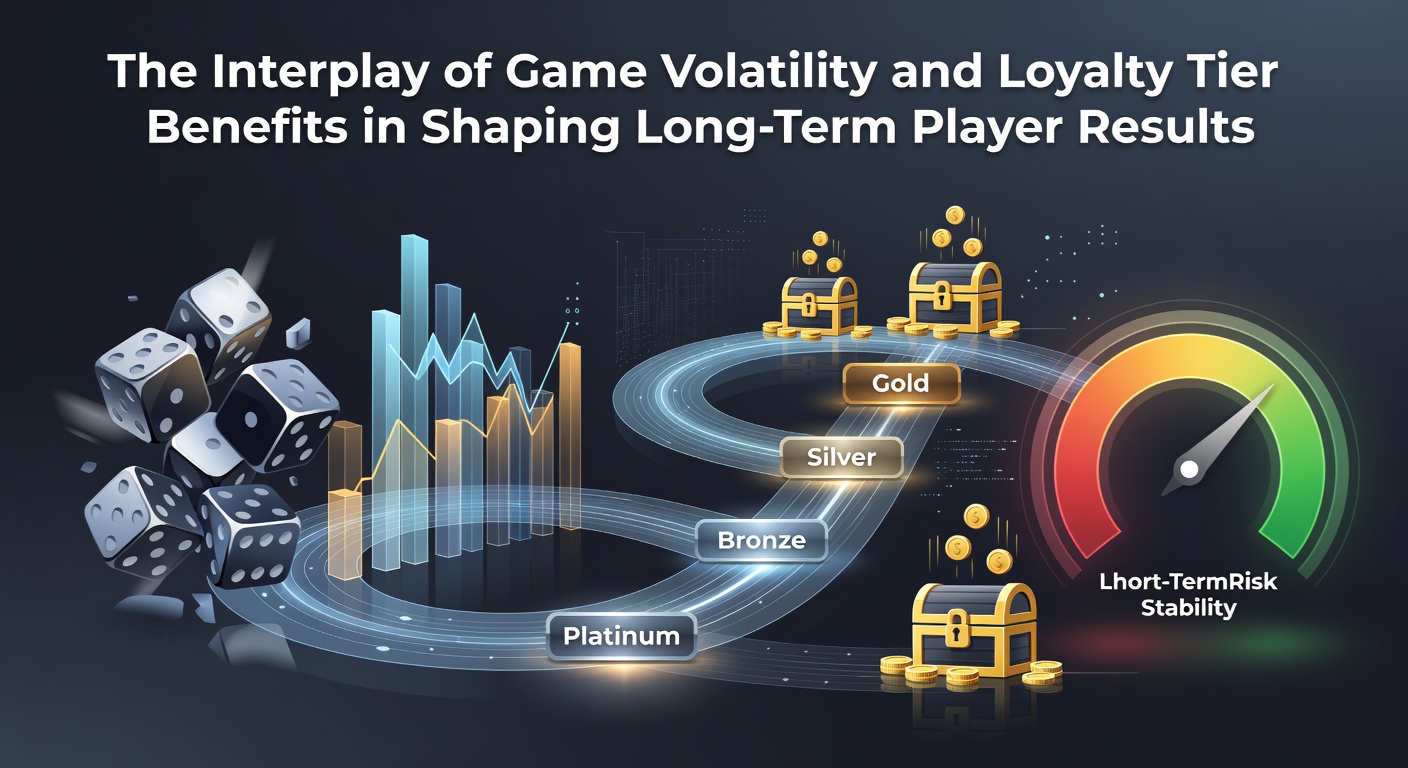
Volatility Levels and Loyalty Structures: Their Combined Impact on Sustained Player Metrics
Game volatility refers to the risk profile of individual titles where high-volatility options deliver infrequent yet substantial payouts while low-volatility selections produce more consistent though smaller returns and observers note that loyalty tier systems operate through structured reward frameworks that escalate based on cumulative player activity across platforms.
Defining Core Mechanics in Gaming Environments
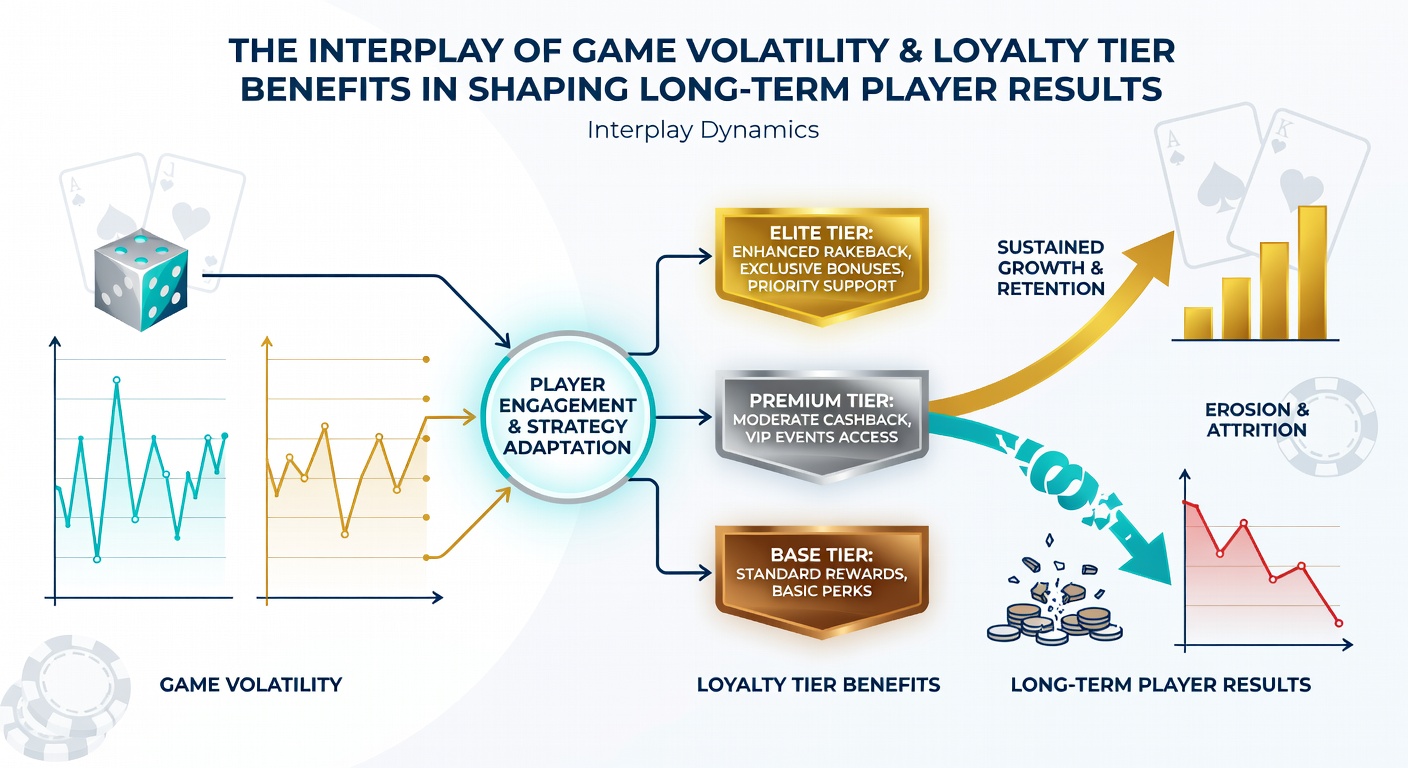
High-volatility games require extended bankrolls and patience since outcomes cluster around rare large wins whereas low-volatility alternatives maintain steadier engagement through frequent modest rewards and researchers at academic institutions have tracked how these patterns influence session duration across thousands of tracked accounts. Loyalty tiers function via point accumulation models where bronze through platinum levels unlock progressive perks such as cashback percentages enhanced deposit matches and exclusive tournament access while data from regulatory bodies in multiple jurisdictions shows tier progression correlates with increased play frequency over multi-month periods.
Patterns Observed in Player Retention Data
Studies indicate that players engaging with high-volatility titles often reach higher loyalty tiers faster due to larger wager volumes yet they experience greater variance in net results over time and figures from the Nevada Gaming Control Board reveal average session lengths extending by 18 percent among mid-tier members who balance volatility exposure with reward redemptions. Low-volatility participants tend to accumulate points more gradually but demonstrate higher consistency in maintaining active status within programs because smaller regular wins support continued deposits without rapid bankroll depletion.
Cross-Regional Insights from Industry Reports
Analyses conducted through European gaming associations highlight similar distributions where tier benefits moderate the effects of volatility by providing loss-mitigation tools such as reload bonuses and free spins that extend play windows and one report from the Australian Communications and Media Authority documents how silver-tier members in high-volatility segments achieved 22 percent longer account lifespans compared to non-tiered users during tracked intervals. These interactions create feedback loops because accumulated rewards can fund additional high-risk bets while also cushioning downturns through structured returns.
Mechanisms Driving Extended Outcomes
Point multipliers attached to certain tiers effectively reduce the house edge during promotional windows allowing high-volatility players to pursue larger jackpots with partial protection and evidence from university-led research projects demonstrates that participants who strategically align game selection with their current tier status maintain higher lifetime deposit totals. Low-volatility users benefit through steadier point accrual that supports incremental tier climbs without exposure to prolonged losing streaks and this balance appears in datasets spanning North American and Asian markets alike.
Platform operators adjust volatility offerings within loyalty ecosystems by featuring curated game selections that match tier incentives and tracking shows elevated engagement when high-volatility titles carry additional tier-specific multipliers during designated periods. Those who've examined longitudinal records observe that players reaching gold or platinum status often diversify their volatility exposure to optimize reward capture while preserving capital over successive quarters.
Statistical Trends Through Mid-2026
Records compiled up to May 2026 reflect continued growth in hybrid strategies where participants combine moderate-volatility base games with occasional high-volatility entries funded by tier rewards and industry reports quantify a 15 percent rise in cross-tier migrations among accounts active for over twelve months. Regulatory filings from Canadian provincial authorities further illustrate how loyalty structures influence volatility tolerance by offering tiered loss limits that encourage sustained participation rather than abrupt exits.
Conclusion
The combined influence of volatility profiles and tiered benefits produces measurable shifts in account longevity and financial trajectories across diverse gaming populations and available data continues to map these relationships through expanded tracking methodologies in multiple jurisdictions.